
Last updated November 2, 2026
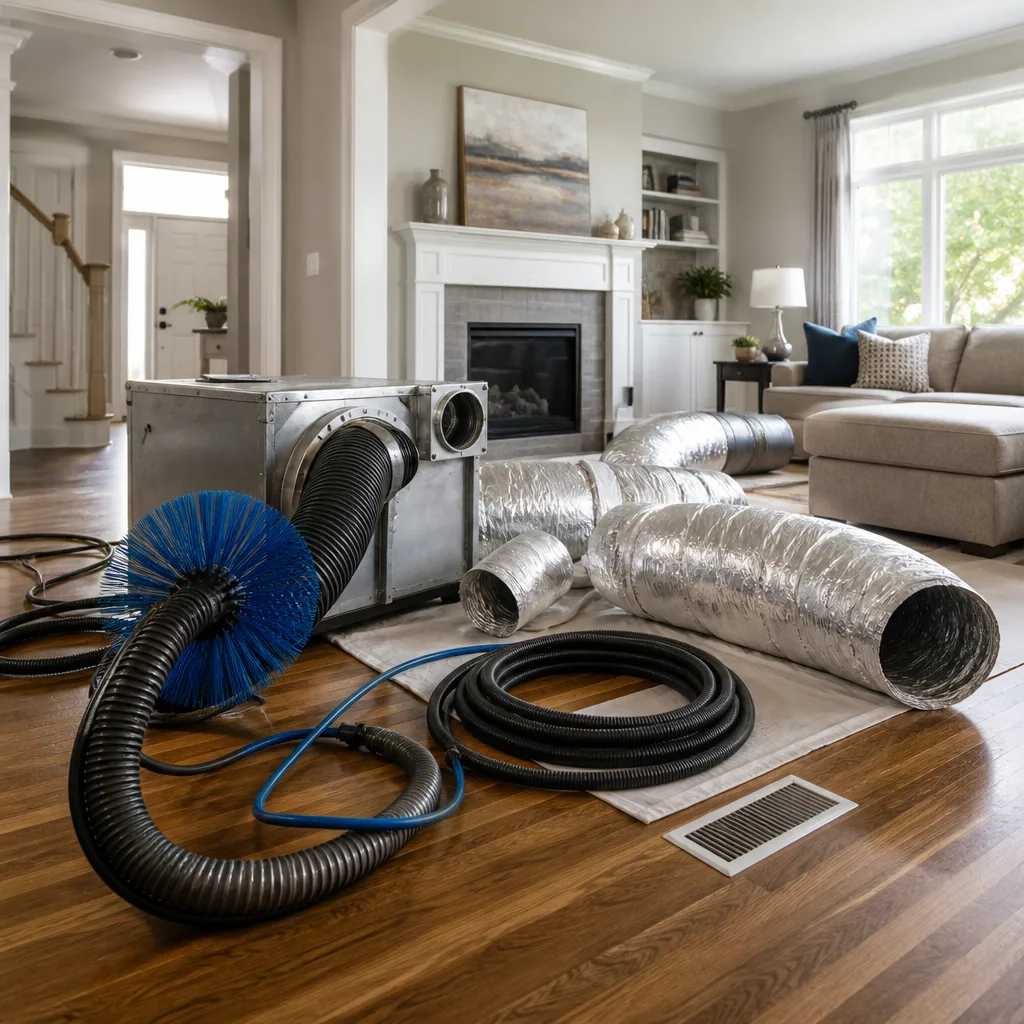 Whole-home duct cleaning
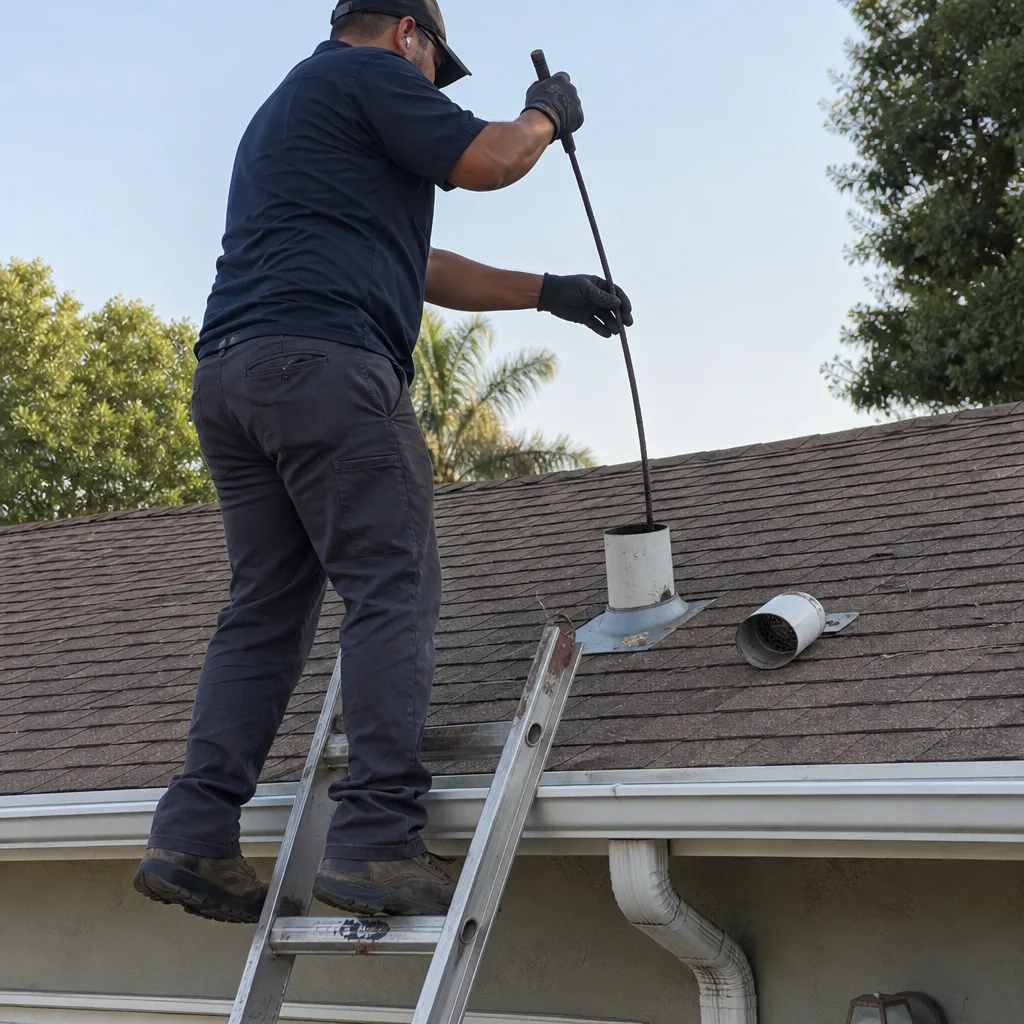
 Dryer vent cleaning
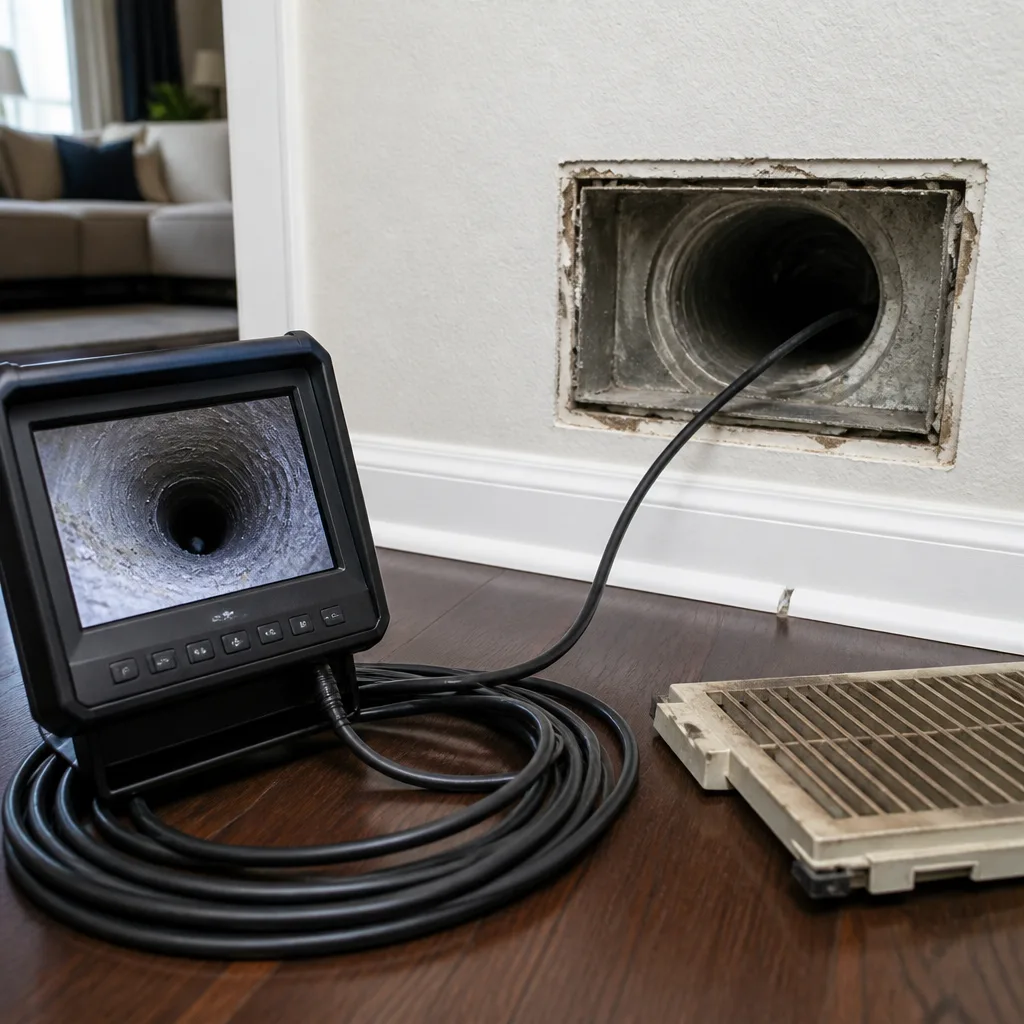 Camera inspection
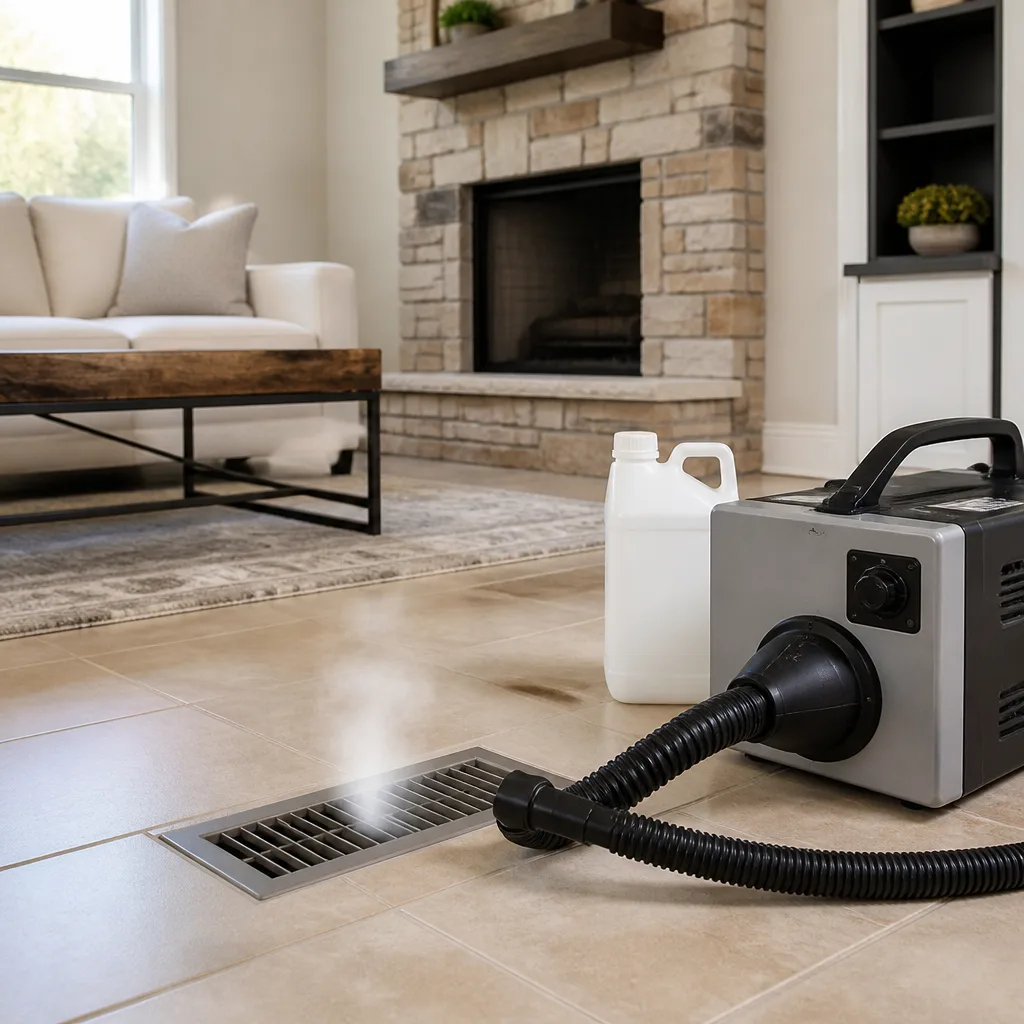 Sanitizing & deodorizing
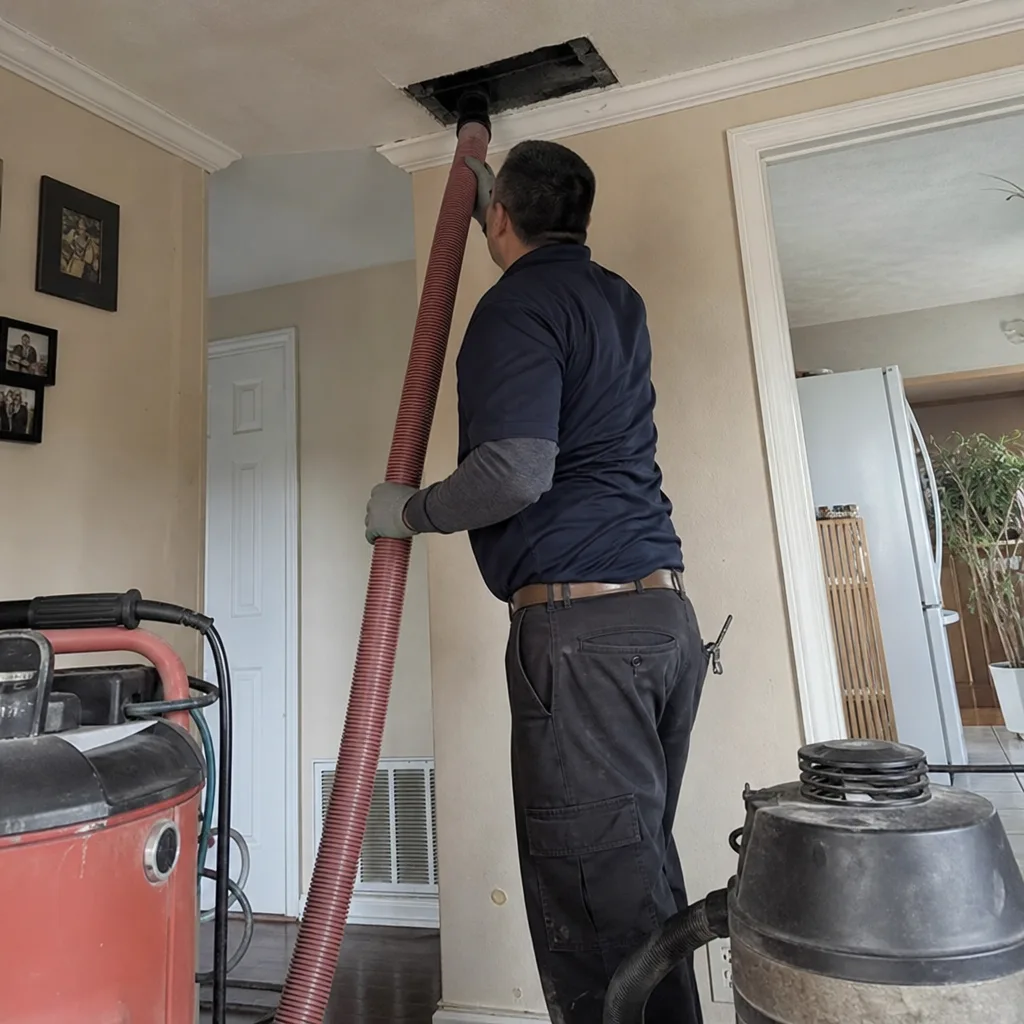
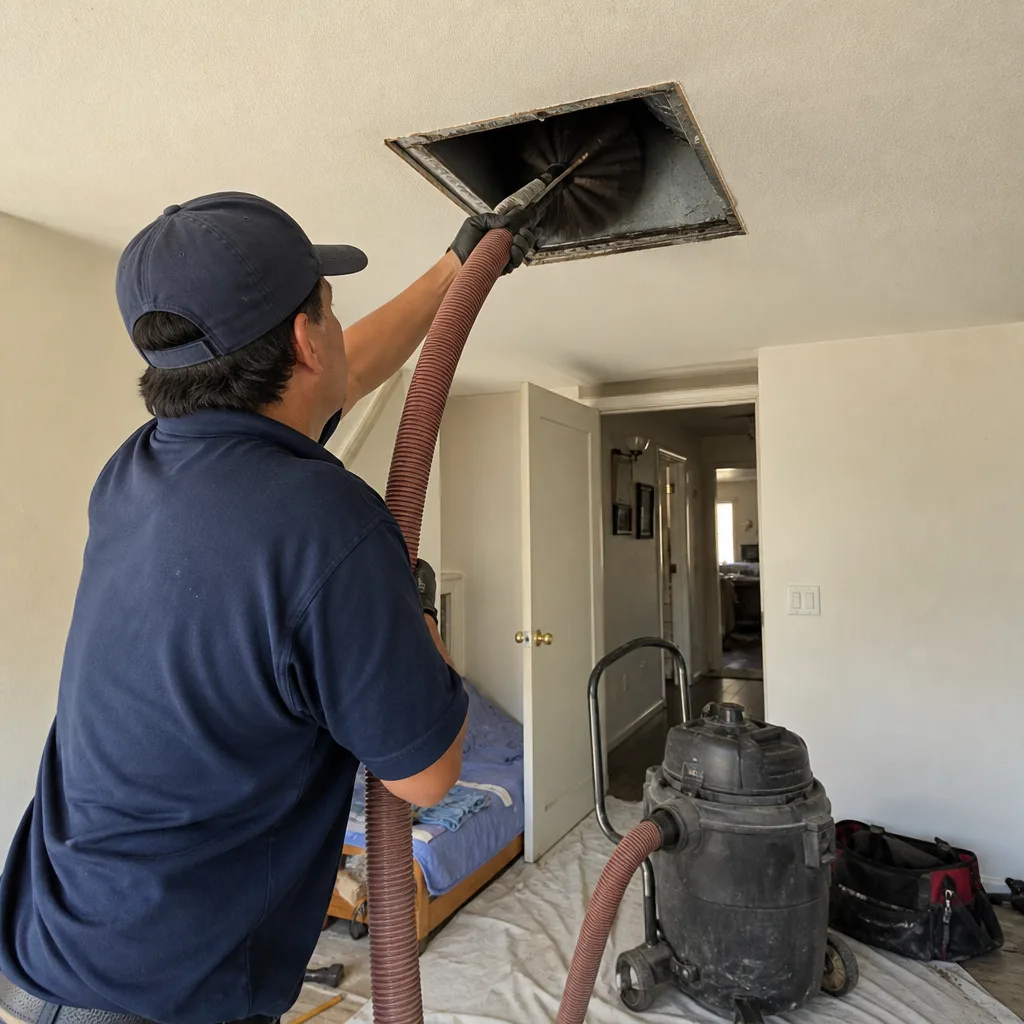
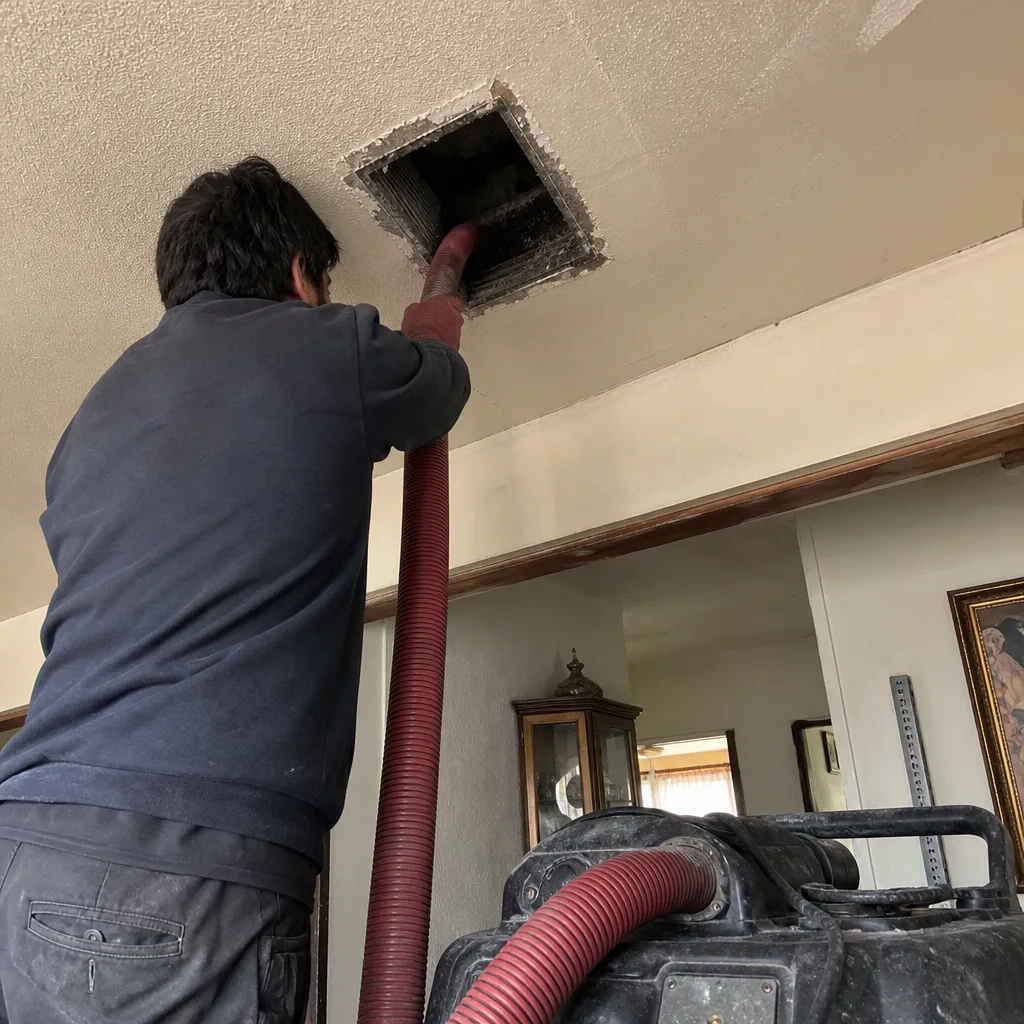
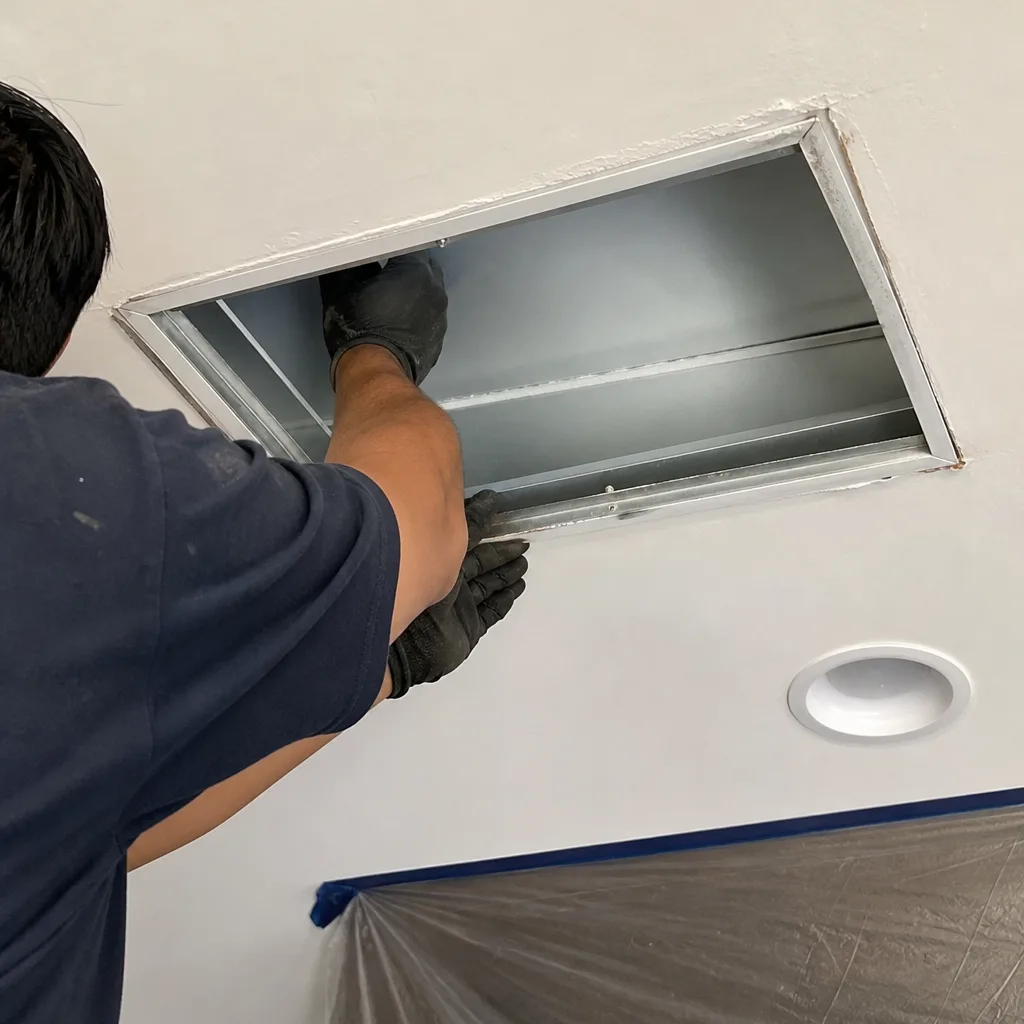
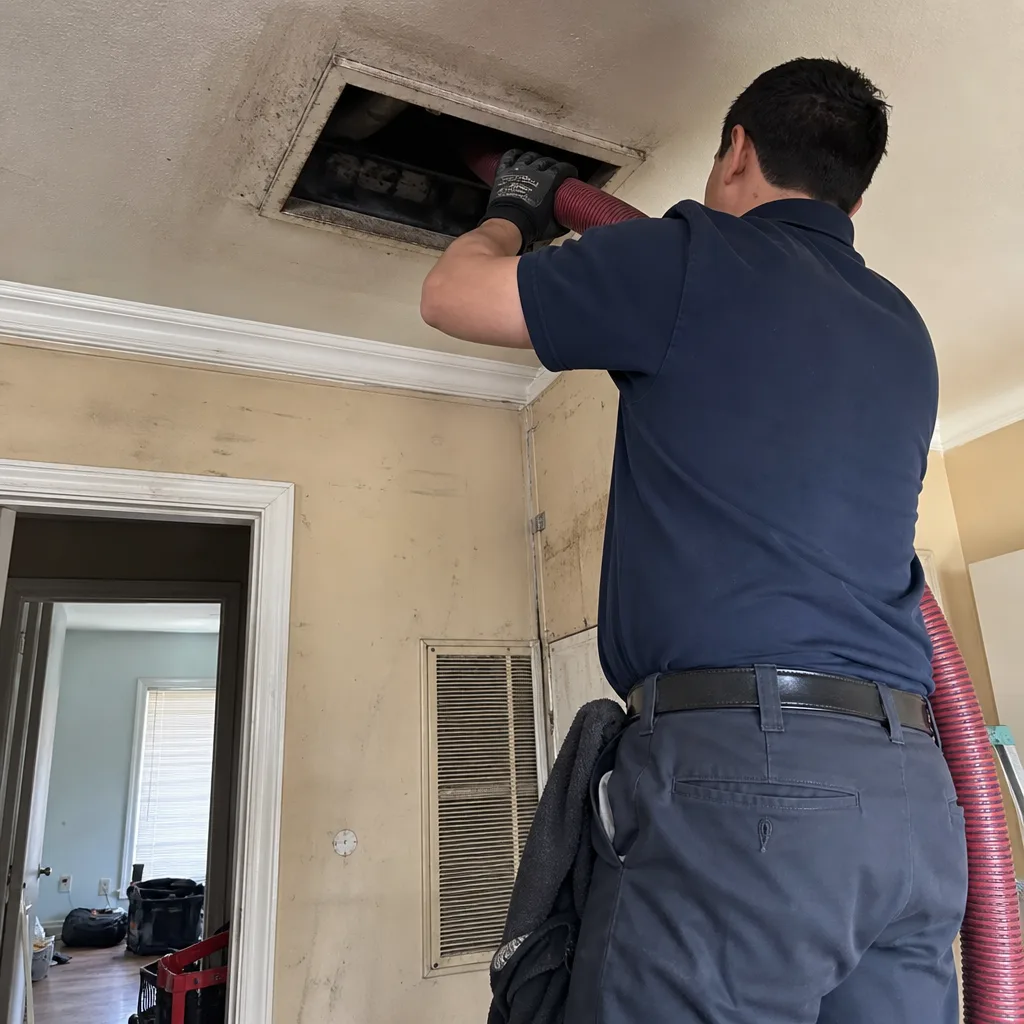
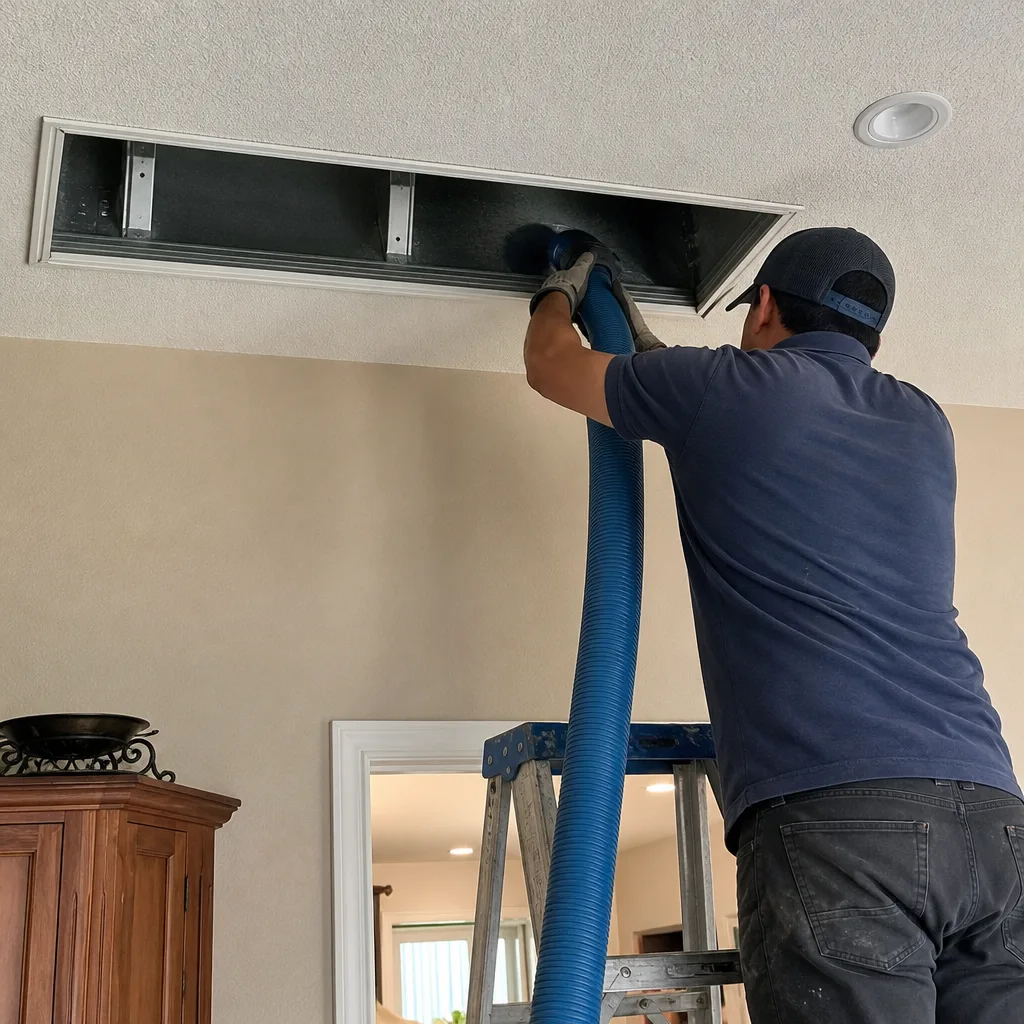
Whole-system duct and dryer vent check with before-and-after photos - you see exactly what came out of your vents
That "$99 whole-house special" is a bait ad - the real number appears once they are in your hallway, or the "clean" is a shop-vac at the register. We photograph the inside of your ducts before and after instead.
Air Duct Cleaning Emergency Preparedness Guide for El Monte Homes
After the 2020 wildfire season, HVAC contractors across Southern California reported a surge in duct cleaning calls, but most homeowners waited weeks before acting. During that lag, they ran smoke-laden air through their systems every single day, embedding fine ash into duct walls, coils, and blower assemblies. This guide is written for El Monte homeowners who want a concrete, sequence-specific plan for the two duct emergencies that matter here: wildfire smoke infiltration and extreme heat HVAC failures. For a deeper dive, see our Air Duct Cleaning Maintenance Checklist for El Monte Homeowners. By the end, you’ll know exactly what to do in the first hour, the first day, and the first week after either event, plus what to document for insurance and how to select a contractor who actually shows up prepared.
Quick Answer
Air duct cleaning emergency preparedness for El Monte homes comes down to three things: shutting down your HVAC system immediately after a smoke event, keeping MERV-13 filters and register covers on hand before you need them, and scheduling a professional duct inspection before restarting any system that has been exposed to heavy ash or sustained extreme heat. Timing matters more than most homeowners realize. A system left running during a smoke event will distribute contaminants through every room, while a system restarted too early after a heat-related failure can recirculate debris that settled and baked during downtime.
Styles & brands we work with
- Whole-home duct cleaning
- Dryer vent cleaning
- Camera inspection
- Sanitizing & deodorizing
Table of Contents
- Wildfire Smoke Protocol: The Correct Sequence
- How to Assess Post-Smoke Duct Contamination
- Extreme Heat HVAC Failure and Duct Debris
- Emergency Preparedness Kit for El Monte Homes
- Insurance Documentation for Duct Remediation
- How to Identify a Contractor Who Can Actually Respond
- Common Mistakes to Avoid
- When to Call a Professional
- Frequently Asked Questions
Wildfire Smoke Protocol: The Correct Sequence
El Monte sits in the San Gabriel Valley, where geography works against us during wildfire season. The valley acts as a collection basin for smoke from fires in the Angeles National Forest and points east. Smoke doesn’t just drift overhead here. It settles. And your HVAC system, if left running, becomes the distribution mechanism that pulls that smoke into every room.
The sequence below is the one we’ve refined over years of Air Duct Cleaning post-smoke event responses across El Monte. The order of operations is the difference between a filter replacement and a full duct system cleaning.
Step 1: Shut Down the HVAC System
As soon as you notice smoke odor inside your home or see visible ash settling on outdoor surfaces, turn your thermostat to the OFF position. Do not set it to FAN. Do not run the system in cooling mode. A running system pulls outdoor air into the return plenum and distributes whatever is in that air through your supply ducts. Shutting it down stops active contamination.
Step 2: Close Windows and Seal Register Gaps
If you have register covers or magnetic register seals, install them on supply and return registers now. At minimum, close all windows and exterior doors. The goal is to stop the passive drift of smoke into your duct system through return grilles and register openings.
Step 3: Assess Filter Condition
Check your air filter. If it shows visible gray or brown streaking, it is already saturated. Remove it carefully and bag it. Do not run the system with a saturated filter. If you have spare MERV-13 filters, install one now. MERV-13 is the minimum rating that captures smoke particulates effectively. Standard fiberglass filters will not do it.
Step 4: Wait for Air Quality Recovery
Wait until local air quality reports show consistent improvement, typically at least 24-48 hours after visible smoke has cleared. The South Coast AQMD provides real-time data for El Monte and the surrounding San Gabriel Valley. Don’t rush this step. Running the system too early, even with a new filter, pushes residual outdoor smoke through the system.
Step 5: Schedule a Professional Duct Assessment
Before returning your system to normal operation, have the ductwork inspected. Smoke particles are fine enough to bypass most filters entirely and deposit inside duct walls. A professional assessment tells you whether you’re looking at a filter change and restart, or whether the ducts themselves need cleaning. This is where Air Duct Cleaning in El Monte becomes more than a routine service: it’s the difference between recirculating ash for months and resetting your system clean.
Step 6: Controlled Restart
After inspection and cleaning, restart your system with a fresh MERV-13 filter. Run it for 30 minutes with windows closed, then replace the filter again if it shows any discoloration. This double-filter approach catches anything that mobilized during startup.
How to Assess Post-Smoke Duct Contamination
Smoke contamination in a duct system presents in three tiers, and each tier points to a different response. In our experience across El Monte homes after serious smoke events, we see all three tiers represented in the same neighborhood, sometimes in adjacent houses. The difference is how long each system ran during the event and the quality of the filter in place.
Tier 1: Return Grille Deposition
You’ll see gray or black streaking on the return grille face and the immediate return duct opening. This is a surface-level deposit. It tells you smoke was pulled toward the system but doesn’t necessarily mean the entire duct network is coated. Response: inspect the filter for saturation, clean the grille surface, and run a short system test with a fresh filter while monitoring odor.
Tier 2: Filter Saturation
The filter shows uniform darkening across its entire face, often with visible particulate caking. This means the system pulled contaminated air for an extended stretch. At this tier, you should assume particulate has migrated past the filter into the supply plenum and the first several feet of supply ductwork. Response: do not restart without professional duct inspection. A saturated filter that goes unchanged becomes a source of ongoing contamination and added strain on the blower motor.
Tier 3: Full Duct-System Deposit
You’ll see discoloration at supply registers in multiple rooms, not just the return side. Rooms farthest from the air handler may show the heaviest deposits because air velocity drops at the end of long duct runs, letting particulates settle out. This tier requires full duct cleaning. The smoke has moved through the entire system, and no filter change will fix it. Equipment matters at this tier. We run Nikro industrial extraction units for exactly this scenario because they’re designed to maintain negative pressure throughout the cleaning process, preventing loosened ash from escaping into living spaces.
Homeowners who want a clearer picture should also consider whether their system integrates with whole-home air quality components. Systems paired with Honeywell or Aprilaire filtration platforms sometimes show better post-event outcomes because the filtration happens at multiple points. But no residential filter setup is designed to handle prolonged wildfire smoke exposure without some level of duct deposition.
Extreme Heat HVAC Failure and Duct Debris
El Monte regularly sees summer days above 95 degrees, and heat waves that push temperatures past 100 for consecutive days are no longer unusual. During these stretches, air conditioning systems run nearly continuously. When a system fails under that load, the ductwork doesn’t just sit idle. It undergoes a cycle that most preparedness guides ignore.
Here’s what happens in the duct system when an HVAC unit fails during extreme heat:
- Thermal expansion. Duct materials, especially flexible ductwork and metal trunk lines, expand during the heat. Existing debris that was loosely adhered to duct walls may separate and become mobile.
- Static settling. With airflow stopped, airborne particles that would normally be carried to the filter fall out of suspension and settle in the duct system. This concentrates debris in low points and at branch connections.
- Moisture migration. When the cooling coil stops operating but outdoor heat continues, condensation patterns in the system shift. This can create localized moisture inside ducts, which binds accumulated dust into a paste that adheres firmly to duct surfaces.
- Restart surge. When the system finally comes back online, the initial rush of airflow mobilizes weeks worth of accumulated debris and sends it out through supply registers in a concentrated burst.
The missed step here is inspection between failure and restart. A system that has been down for days during a heat event warrants a duct inspection before you turn it back on, especially if the home has occupants with respiratory conditions. The inspection catches what you cannot see from inside the house: whether debris has accumulated at branch connections, whether moisture has created conditions for microbial growth, and whether the blower assembly itself has collected enough material to affect performance.
When we respond to heat-event calls in El Monte, we’re looking for evidence that the duct system itself needs work, not just the mechanical components. A compressor failure may be an HVAC technician’s problem, but the duct system that baked during the downtime is ours. That’s why Air Duct Repair in El Monte matters in this scenario: heat stress can loosen connections, crack old tape joints, and separate flex duct from collars. Cleaning alone won’t fix a system that’s physically compromised. The repair has to happen or the system will keep losing air into the attic.
Emergency Preparedness Kit for El Monte Homes
Every El Monte home should keep a small duct-specific emergency kit accessible during wildfire season and the summer heat months. This is not the same as a general household emergency kit. It is specific to your HVAC system’s behavior during environmental stress events.
Here’s what goes in it:
- Two spare MERV-13 filters sized to your system. Do not buy MERV-16 or higher without confirming your system can handle the pressure drop. MERV-13 is the sweet spot for smoke season performance without choking airflow on most residential systems.
- Magnetic register covers for every return grille in the home. In a smoke event, these create a passive seal that reduces contamination entry. In a heat event with the system down, they prevent hot attic air from backdrafting through the registers.
- A roll of painter’s tape for sealing register edges if you don’t have magnetic covers or if the smoke event is prolonged.
- A small flashlight and inspection mirror for checking visible duct runs in the attic or crawlspace. You can’t assess what you can’t see, and a flashlight lets you check return openings without opening the whole system.
- A printed maintenance log with dates of the last filter change, last duct cleaning, and last dryer vent cleaning. This documentation matters if you ever file an insurance claim for smoke remediation.
- The phone number for your duct cleaning contractor written down, not just stored in a phone that may have a dead battery. In a sustained power outage following a heat event, a charged phone is not guaranteed.
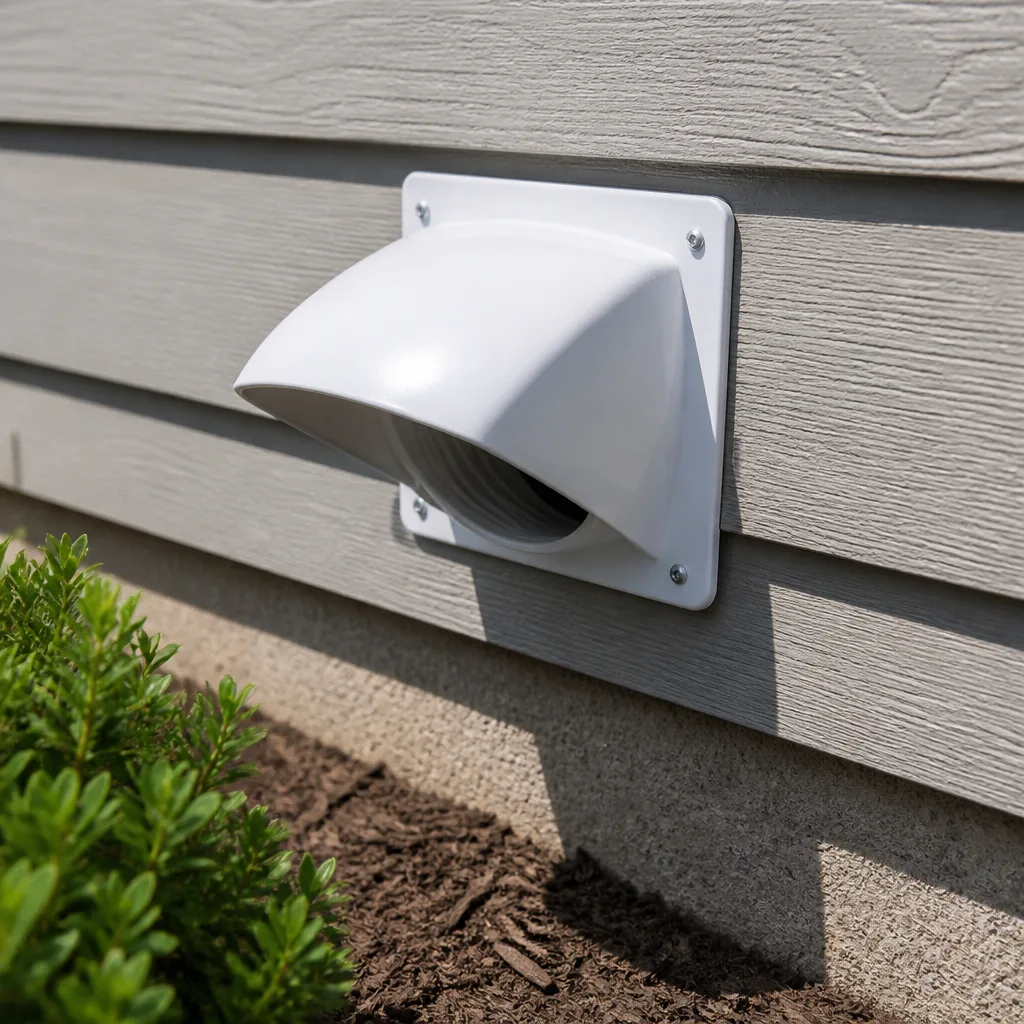
One more piece of preparedness most El Monte homeowners don’t consider: know where your dryer vent terminates and keep that area clear. During smoke events, a dryer vent that faces the prevailing wind direction will pull smoke into the laundry room even with the dryer off. That’s why Dryer Vent Cleaning in El Monte is relevant year-round: a clean, properly terminated vent resists backdrafting better than a lint-choked one, and in a smoke event that difference matters.
Insurance Documentation for Duct Remediation
Wildfire smoke damage claims are notoriously difficult to get approved because smoke is gradual and pervasive rather than sudden and catastrophic. You are not likely to get a full duct cleaning paid for by insurance after a regional smoke event, but you might get partial reimbursement if you document everything from the first hour.
Here’s the documentation sequence we recommend, in order:
- Photograph the filter before you remove it. Date-stamp the photo or hold up the day’s newspaper or a phone screen showing the date. The filter is your primary physical evidence of contamination exposure.
- Photograph visible ash on outdoor surfaces, window sills, and any register faces showing discoloration. Wide shots and close-ups both.
- Log the dates and duration of the air quality event. Reference specific AQMD alerts for El Monte and the San Gabriel Valley. Your log should note when you shut the system down and when you restarted it.
- Keep the old filter in a sealed plastic bag. Do not throw it away. It is evidence. Store it in the garage until your claim is resolved.
- Request a written assessment from your duct cleaning contractor after inspection. The assessment should state what was found, what was cleaned, and what the contamination profile looked like. This is the professional documentation that insurance adjusters actually pay attention to.
- Note any health symptoms in the household that correlate with the event timeline. Documented respiratory symptoms that align with smoke exposure strengthen a claim.
Most homeowners file this documentation after the fact, which weakens the claim. The ones who have it organized before calling their insurer consistently get better outcomes. The process is boring, but it works.
How to Identify a Contractor Who Can Actually Respond
After a regional smoke event or a heat wave that knocked out HVAC systems across the San Gabriel Valley, every duct cleaning company in the area gets flooded with calls. The way a contractor responds to that surge tells you everything about how they operate. Emergency response capability is not about marketing. It’s about equipment capacity and scheduling discipline.
Here’s what separates a contractor who can actually respond from one who treats every call like routine scheduling:
- Equipment that matches the job. A company running a single portable unit will struggle with post-smoke jobs because smoke-contaminated systems require sustained negative pressure extraction. We run both Rotobrush brush-fed cleaning systems and Nikro industrial vacuum and extraction units. The Rotobrush agitates and removes debris from duct walls; the Nikro maintains the negative pressure environment that prevents cross-contamination during the cleaning process. Different tools for different conditions, not a one-size approach.
- A defined process for post-event inspection. The contractor should be able to explain, in plain language, what they’re looking for after a smoke or heat event and what their assessment will tell you. If they can’t articulate the difference between a filter saturation scenario and a full duct deposit scenario before they arrive, that’s a sign they haven’t thought it through.
- Repair capability on the same visit. Heat events damage ductwork. Smoke events clog filters and coat coils. A contractor who can only clean will leave you with a clean system that still leaks, or a clean system with a clogged coil that doesn’t cool. Repair scope matters in emergency response.
- Transparent pricing structure. In a surge, the cheap-coupon operators either vanish or raise prices unpredictably. A contractor who quotes a flat price per system before work starts, and sticks to it, is operating on a defined process, not a bait-and-switch model.
- Willingness to show you the before and after. Ask whether they photograph supply register interiors and return plenums before and after cleaning. Contractors who do this habitually are confident in their process. Contractors who don’t are asking you to trust a verbal assurance.
For El Monte homeowners specifically, this matters because the San Gabriel Valley market is dense with service providers. The signal is not the size of the yellow pages ad. It’s the equipment on the truck and the specificity of the process.
Common Mistakes to Avoid
- Running the HVAC system during a smoke event. This is the single most damaging action, and it’s the one most people do reflexively because they want the air conditioning running on a hot day. A smoke event during a heat wave means making a choice between comfort and contamination. Shut the system down.
- Buying the highest-MERV filter you can find. MERV-16 and HEPA-level filters often create pressure drop problems on standard residential systems. This can cause the blower to work harder, reduce airflow, and in extreme cases cause coil freeze-up. Stick with MERV-13 unless your system is specifically rated for higher.
- Restarting after a heat-related failure without inspection. The urgency to get cooling back online is understandable when it’s 103 degrees in El Monte. But a restart without duct inspection can coat your entire home in the debris that settled during downtime.
- Filing an insurance claim without documentation. Insurers deny undocumented smoke claims routinely. The filter photo, the ash photos, the maintenance log, the written assessment: these are the difference between paid and denied.
- Hiring the first available contractor after a surge event. Demand spikes after smoke and heat events. The contractors who are available immediately are often available for a reason. Ask about equipment, process, and repair scope before booking.
- Treating dryer vents as a separate concern. During a smoke event, an unclean dryer vent is a contamination entry point and a fire risk compounder. After a smoke event, dryer vent cleaning should be scheduled alongside duct cleaning, not skipped.
- Assuming one filter change solves a smoke event. The filter catches what reaches it. It does not catch what deposited in the duct system before it got to the filter, and it does not address what settled in the supply plenum and branch lines.
When to Call a Professional
Call a professional duct contractor after any significant smoke event where the system ran during active smoke, any heat event where the HVAC system was down for more than 48 hours, or whenever you see visible particulate discharge from registers during startup. If you smell smoke odor from the registers weeks after the event, that is a clear signal that material remains in the system. If your energy bill spikes after a heat-event restart, that often points to a duct leak from heat-stressed joints. If you start at our Duct Cleaning El Monte home page, you’ll find our full service scope. Duct Cleaning El Monte offers free estimates in El Monte. Call (844) 573-0760 to schedule an assessment.
Frequently Asked Questions
Schedule a professional duct inspection as soon as air quality returns to normal levels, and then complete cleaning within two to three weeks if the assessment finds full-system deposit. Waiting longer means the ash gets pulled through the system every time the HVAC runs, and it becomes progressively harder to remove as it binds with residual moisture in the ducts. The inspection should happen first, because not every smoke event requires full cleaning. Call (844) 573-0760 for a free estimate in El Monte.
Smoke damage in ductwork appears as gray to black streaking at return grilles, uniform darkening on the filter face, and visible discoloration at supply registers in multiple rooms. In advanced cases, you’ll see particulate buildup at branch connections where airflow velocity drops. The pattern of deposition tells you how far the contamination traveled, which is what a professional assessment is designed to determine.
A homeowner can clean visible register faces and replace filters, but the duct interior is not accessible with consumer equipment. Smoke particles are small enough to bypass most filters and deposit deep in the system. Attempting to clean the duct interior with a shop-vac or similar equipment will dislodge material without extracting it, which often makes the indoor air quality worse. This is the scenario where equipment like Rotobrush and Nikro systems make a measurable difference: the Rotobrush agitates and removes wall deposits while the Nikro maintains negative pressure to extract loosened material from the home.
Post-smoke duct cleaning in El Monte typically runs between $350 and $700 for a standard single-family home, depending on system size, number of returns, and contamination level. Heavily contaminated systems with multiple supply branches may run higher. Be wary of quotes below $200 for a full system cleaning: at that price, the contractor is almost certainly not running proper extraction equipment or doing the full scope of work. Call (844) 573-0760 for an exact quote on your system.
Insurance coverage for post-smoke duct cleaning depends on the specific policy and the documentation you provide. Most standard policies do not cover routine cleaning, but some will partially cover remediation if you can demonstrate that smoke from a covered event caused the contamination. The documentation matters more than the event itself. Filter photos, ash photos, dated maintenance logs, and a written contractor assessment are the evidence that moves a claim forward.
No, your dryer vent is a separate exhaust path that runs from the dryer to the exterior of your home. But the two systems share a common vulnerability during smoke and heat events: both pull or push air through pathways that can accumulate debris. A dryer vent clogged with lint becomes a fire hazard, and during a smoke event, that same vent can pull contaminated outdoor air back into your laundry room. Treating them as one duct-health scope, not two unrelated systems, is the practical approach.
The Bottom Line
El Monte’s geography and climate create two duct emergencies that generic preparedness guides miss: wildfire smoke that settles in the San Gabriel Valley and heat waves that bake and stress residential HVAC systems. In both cases, timing and sequence matter more than the cleaning itself. Shut down early, document everything, inspect before restart, and use a contractor with equipment matched to the actual contamination or damage. The filter is your first line, but it is not your only line. A system that has been through a smoke event or a prolonged heat failure needs professional eyes before it goes back to work. For more guides & resources on keeping your system protected, explore our blog.
Written by the team at Duct Cleaning El Monte, serving El Monte since 2013.
See the difference
 Before
 After
 Before
 After
 Before
 After