
Last updated November 2, 2026
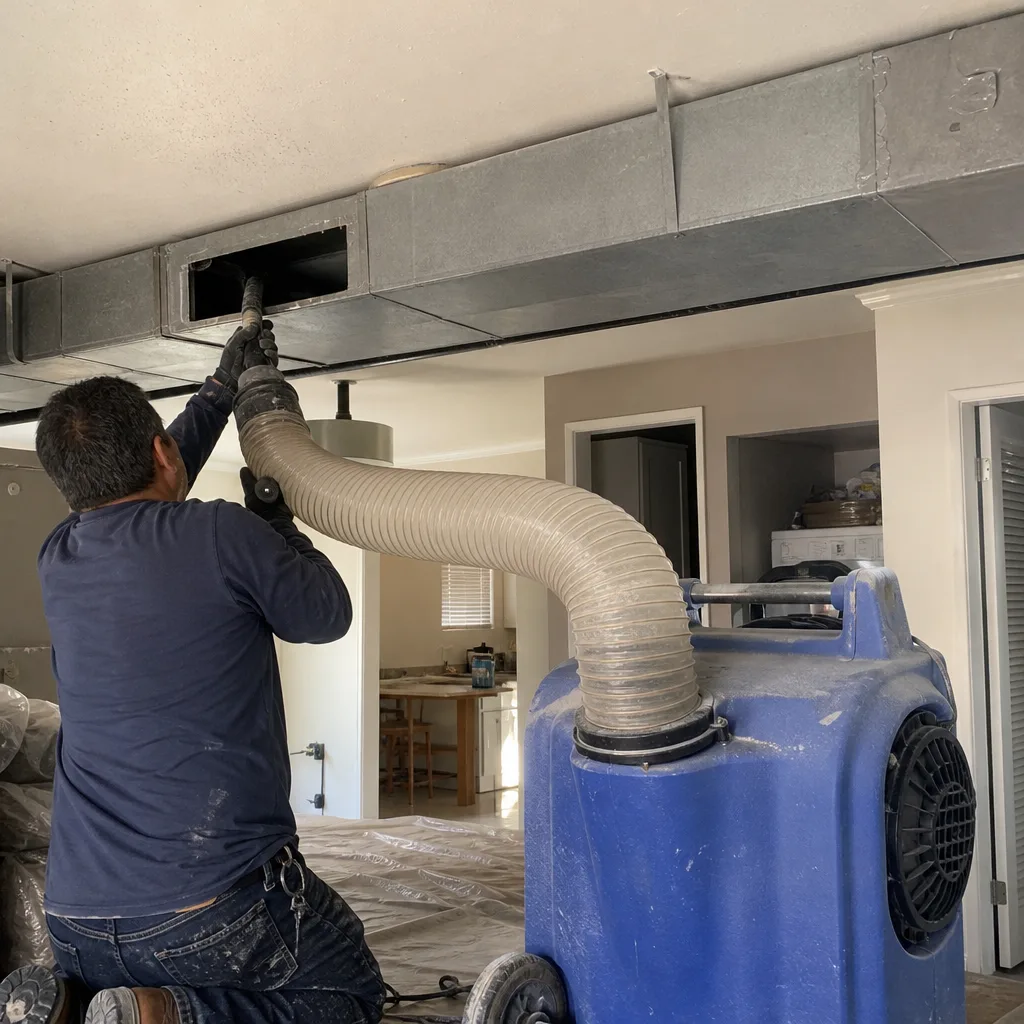
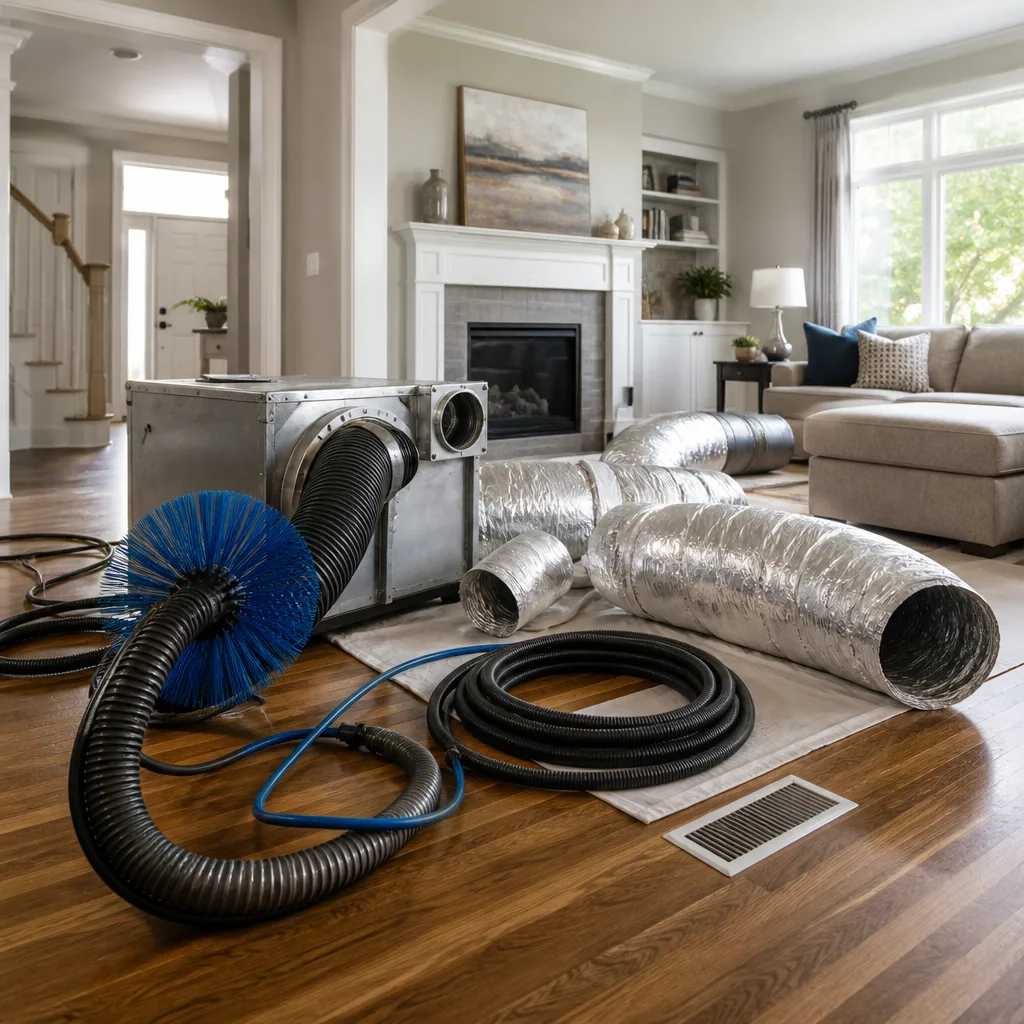 Whole-home duct cleaning
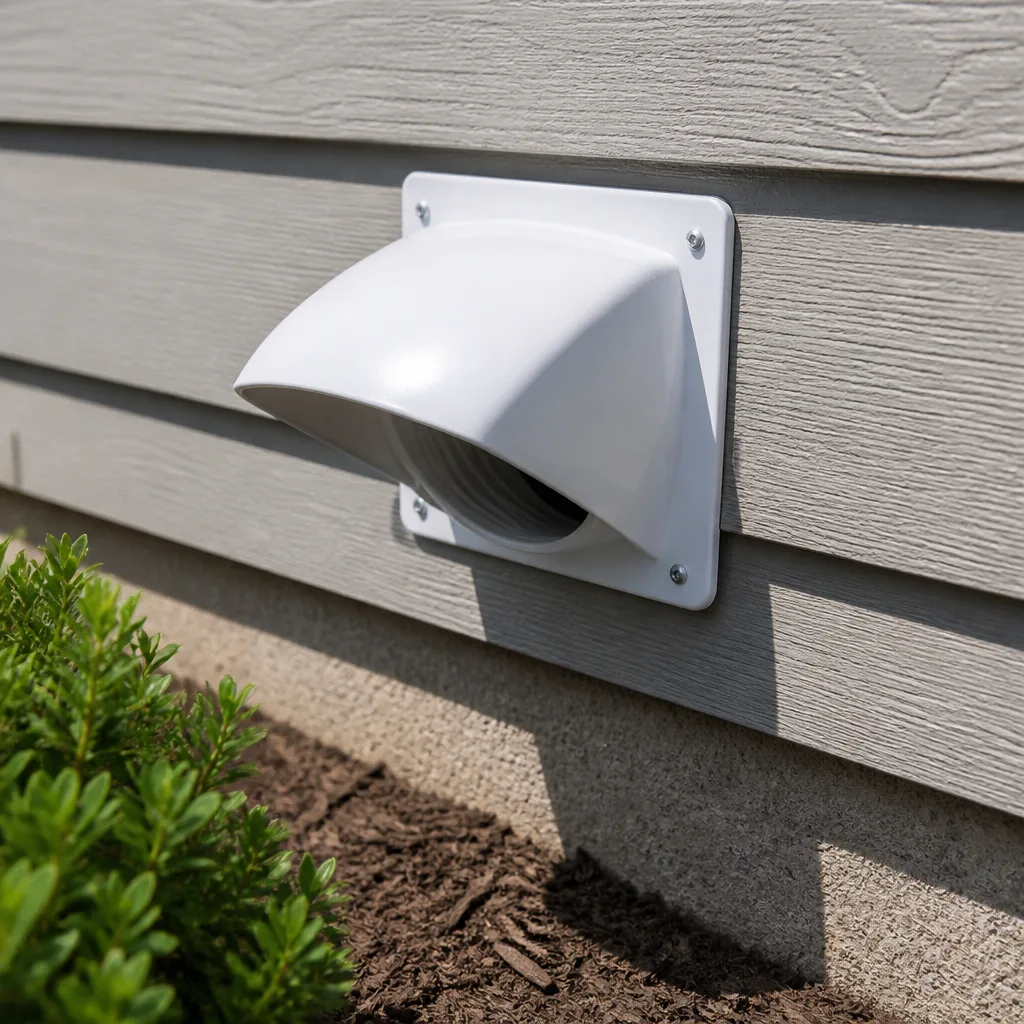 Dryer vent cleaning
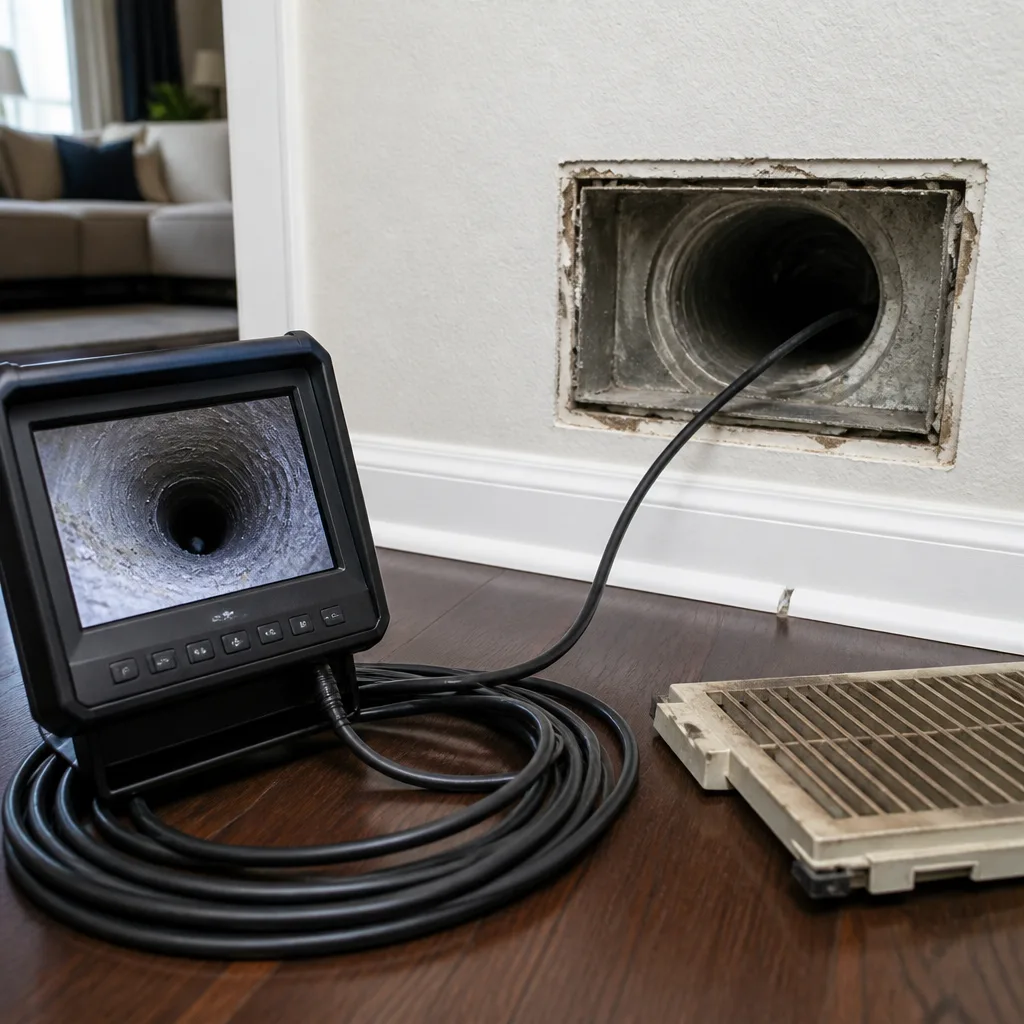 Camera inspection
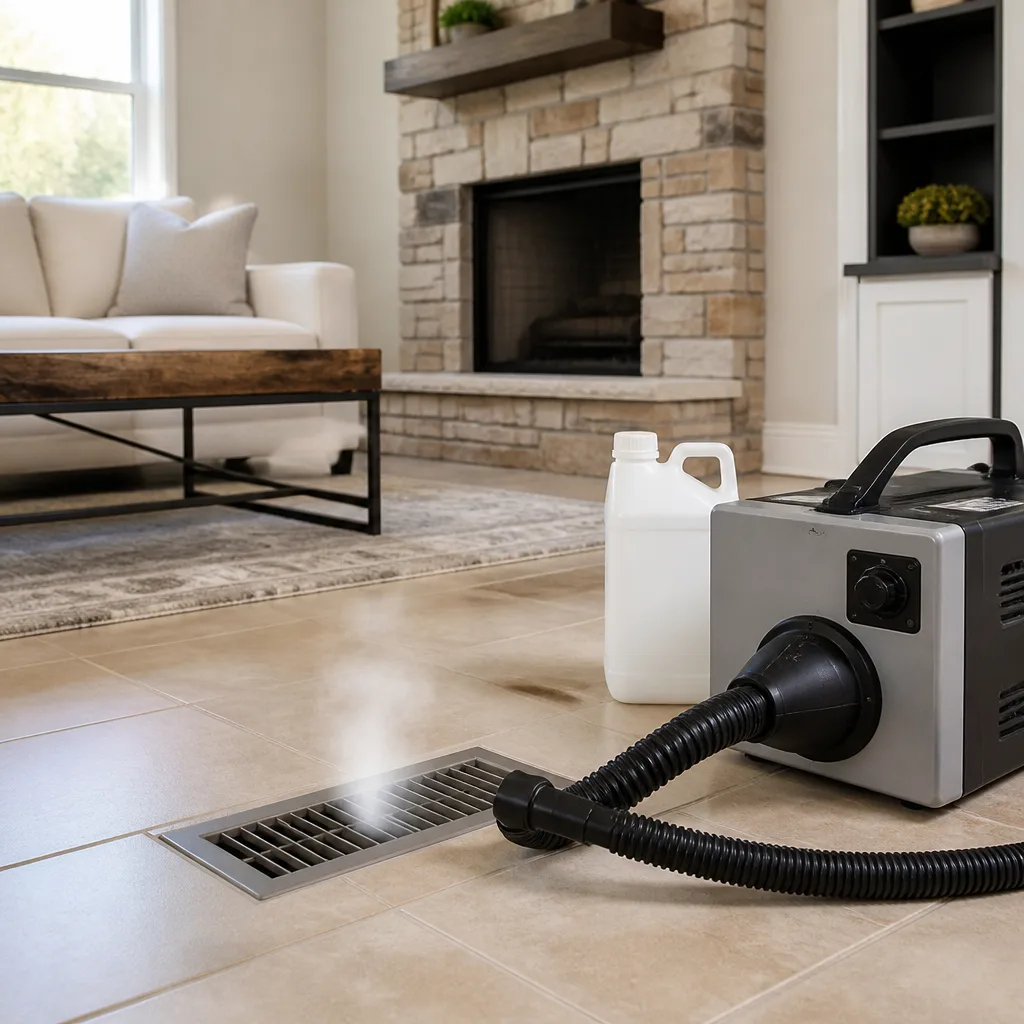 Sanitizing & deodorizing
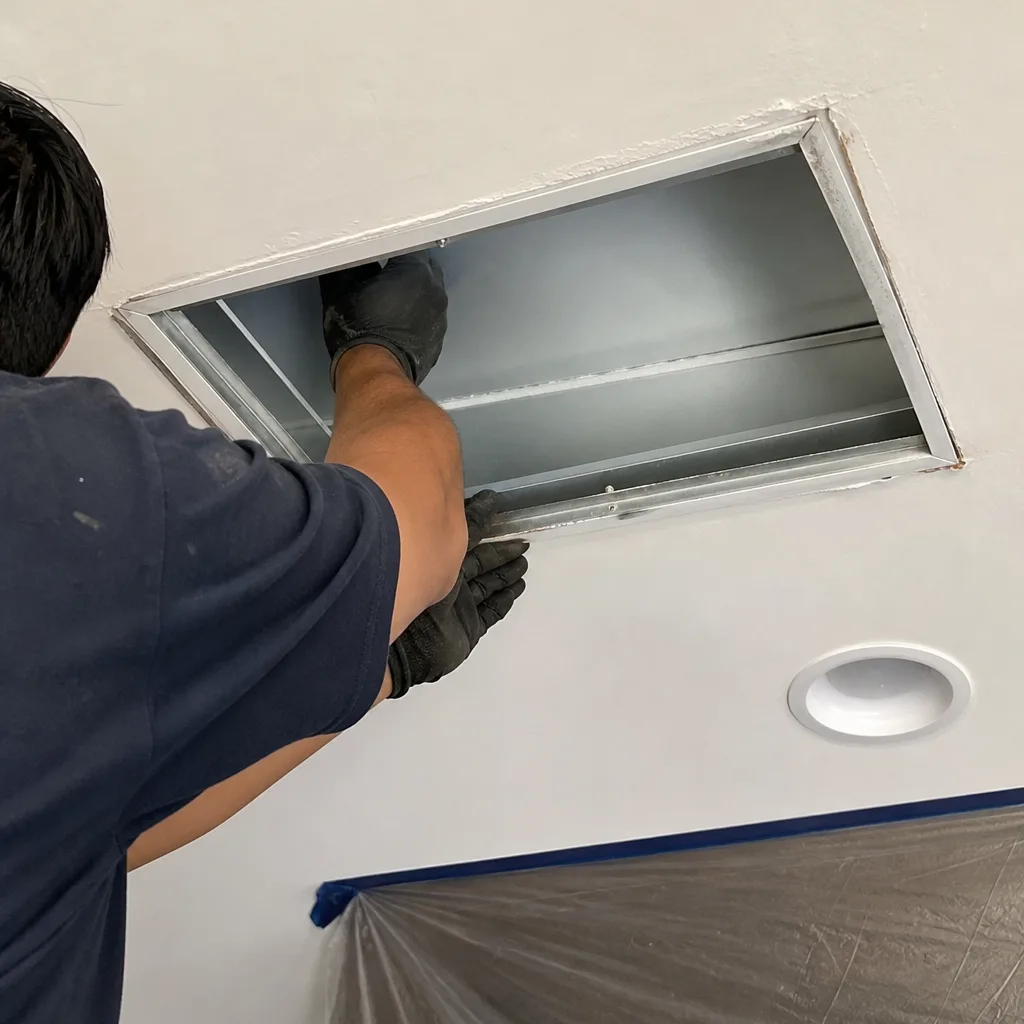
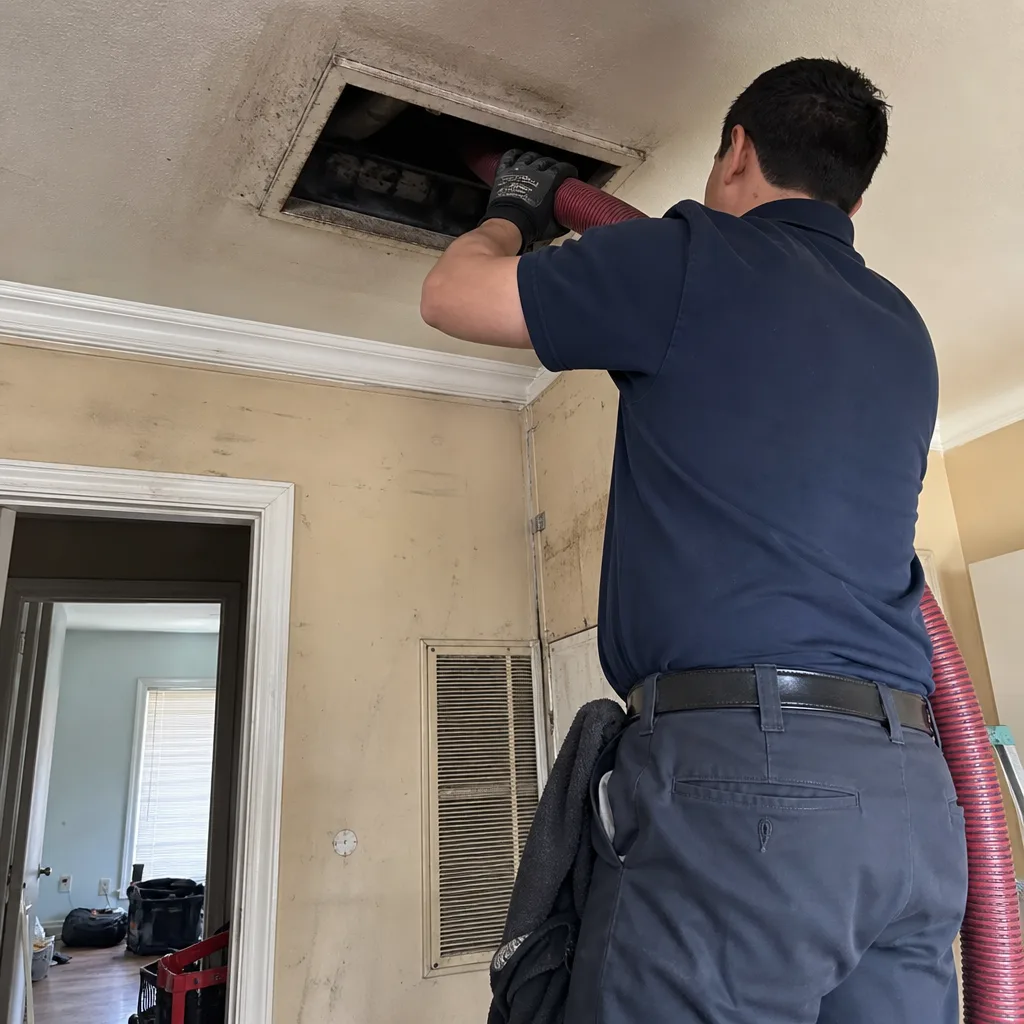
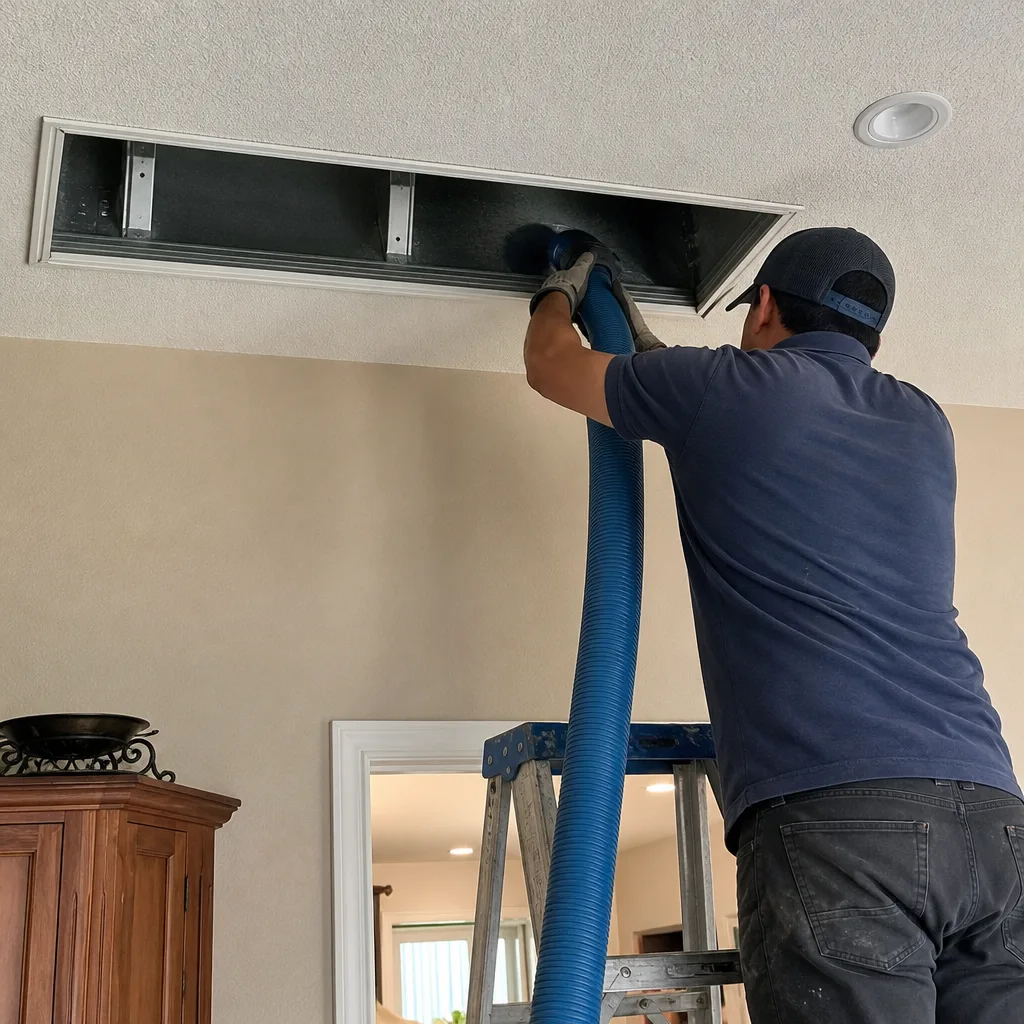
Whole-system duct and dryer vent check with before-and-after photos - you see exactly what came out of your vents
That "$99 whole-house special" is a bait ad - the real number appears once they are in your hallway, or the "clean" is a shop-vac at the register. We photograph the inside of your ducts before and after instead.
Air Duct Cleaning Permits, Codes & Inspections in CA: What You Need to Know
Here’s a scenario we see too often in El Monte: a homeowner schedules duct cleaning, the technician finds a disconnected section of ductwork or a dryer vent that terminates in the crawlspace instead of outside, and offers to fix it on the spot. The homeowner says yes because it sounds like part of the job. What they don’t realize is that the technician may have just performed unpermitted HVAC work in their California home, and that decision can surface years later during a home sale or an insurance claim. The line between cleaning and modification is where the permit question lives, and most guides never explain it. This one will.
Styles & brands we work with
- Whole-home duct cleaning
- Dryer vent cleaning
- Camera inspection
- Sanitizing & deodorizing
Quick Answer
Air duct cleaning does not require a permit anywhere in California because it is classified as maintenance, not construction. However, if the job involves repairing, rerouting, replacing, sealing, or modifying ductwork or dryer vents, you have crossed into territory governed by the California Mechanical Code, and in cities like El Monte, that work may require a permit and inspection. The question is never “does cleaning require a permit?” It’s “is the work actually only cleaning?” For Air Duct Cleaning services that stay within the maintenance line, no permit is needed.
Table of Contents
- What the California Mechanical Code Says About Ductwork
- Cleaning vs. Modification: How to Tell the Difference
- Dryer Vent Permits: When Rerouting or Replacing Requires Paperwork
- Title 24 Energy Code and Duct Sealing: The Overlooked Permit Trigger
- Unpermitted Duct Work and California Home Sales: Disclosure Obligations
- Getting a Permit in El Monte: What the Process Actually Looks Like
- How to Read a Contractor Invoice Like a Code Inspector
- Common Mistakes to Avoid
- When to Call a Professional
- Frequently Asked Questions
- The Bottom Line
What the California Mechanical Code Says About Ductwork
The California Mechanical Code (CMC) is the governing document for HVAC and duct systems in the state. It is based on the Uniform Mechanical Code but includes California-specific amendments. Under CMC Chapter 6, duct systems are regulated components of a building’s mechanical infrastructure. The code specifies materials, installation methods, support requirements, and fire safety standards for anything that moves air through a structure.
What matters for your purposes is that the CMC distinguishes between work that requires a permit and work that does not. Routine maintenance, including cleaning, is exempt from permitting under Section 103 of the California Mechanical Code. Cleaning does not alter the system’s configuration, materials, or performance characteristics, so it falls outside the construction scope.
Here is where the line gets drawn in practice:
- Permit-exempt work: Cleaning duct interiors, removing and cleaning registers, vacuuming return air cavities, replacing a standard air filter, tightening an accessible duct clamp.
- Permit-required work: Replacing a damaged duct section, installing a new duct run, adding or relocating a supply register, rerouting a dryer vent, changing duct material from flexible to rigid or vice versa, installing a new duct access panel that requires cutting into the plenum.
In El Monte, which falls under Los Angeles County building jurisdiction, the county adopts the California Mechanical Code with local amendments. El Monte building officials enforce the same distinction: maintenance is fine, modification is regulated. A technician who reattaches a duct that has simply slipped off its collar is arguably performing maintenance. A technician who cuts out a rusted section and splices in new material is modifying the system, and that is where the permit conversation should happen before the work starts.
We work with air duct repair in El Monte daily, and part of doing that job properly is knowing when repair crosses into modification. It is not a gray area if you read the code carefully. It is a factual question: did the system’s configuration change? If yes, a permit likely applies.
Cleaning vs. Modification: How to Tell the Difference
The single most useful skill a California homeowner can develop is the ability to distinguish cleaning from modification on a contractor’s scope of work. This distinction, more than anything else, determines whether a permit was required. If you cannot tell from the invoice what was actually done to your system, you cannot know whether you have a permitting problem.
Here is a practical framework we use when explaining this to El Monte homeowners:
- Cleaning changes the condition of the system. It removes dust, debris, biofilm, and contaminants from existing duct surfaces. The ductwork remains exactly where it was, made of the same material, the same size, the same configuration.
- Repair restores the system to its original design. If a duct section was damaged, disconnected, or crushed, repair puts it back the way it was designed to be. In many cases, especially where the restoration is minor and does not change configuration, this may still fall under maintenance exemption. The key factor is whether the repair returns the system to its prior state or changes it.
- Modification changes the system’s design. Adding a new supply run, relocating a return, enlarging a duct, changing the termination point of a dryer vent, installing a new access door, or reconfiguring the layout all qualify as modifications. This is construction work, and construction work requires a permit.
The practical problem is that many duct cleaning companies blur these categories. A technician may remove a damaged flexible duct section and replace it as part of a “cleaning” because he does not want to lose the job by telling the homeowner about a permit requirement. In our experience, the right approach is the opposite: tell the homeowner what the code requires, then let them decide. We cover this in our Air Duct Cleaning Troubleshooting: Common Problems and How to Fix Them.
For El Monte homeowners specifically, the local climate adds a variable. Summer temperatures regularly exceed 95 degrees, and attic ductwork bakes in that heat. Flexible duct connections degrade faster here than in coastal cities. That means El Monte homes see more disconnected and damaged duct sections during routine cleaning than homes in milder parts of the county. It also means El Monte homeowners are more likely to encounter the cleaning-vs-repair question than the average California homeowner. Knowing where the line sits before the technician arrives is the difference between an informed decision and a liability you discover later.
Dryer Vent Permits: When Rerouting or Replacing Requires Paperwork
Dryer vents are the most common source of confusion in California residential mechanical work, and for good reason. A standard dryer vent cleaning, where a technician runs a brush through the existing duct and removes lint, is maintenance. No permit needed. But the moment the vent’s path, length, material, or termination point changes, you are in California Mechanical Code territory, and cities like El Monte treat that as regulated work.
Here are the specific scenarios that trigger the permit question for dryer vents:
- Rerouting a dryer vent. If the existing vent terminates under the house, into the attic, or against an exterior wall with no proper termination, and a contractor proposes to rerun it to a code-compliant exterior outlet, this is a modification. The CMC specifies maximum duct lengths, bend limits, and termination requirements for dryer exhausts, so the new routing must be reviewed.
- Replacing duct material. California code requires dryer vents to be constructed of smooth metal duct with a minimum thickness, never vinyl or foil flex. If a contractor replaces an old vinyl or foil duct with rigid metal, that is a material change and a modification.
- Extending a dryer vent. If the dryer moves to a new location and the vent needs additional length, that extension changes the system’s design and requires evaluation against CMC length and bend restrictions.
- Adding a booster fan. Long dryer vent runs sometimes require a booster fan to maintain proper airflow. Installing one is mechanical equipment installation, which is clearly permit-required work.
Our dryer vent cleaning in El Monte service routinely identifies vent configurations that do not meet current code. Homes built in the 1950s and 1960s, which make up a significant portion of El Monte’s housing stock, often have dryer vents that were installed before modern fire safety standards existed. They terminate in crawlspaces, run far beyond the allowable length, or use materials that would never pass inspection today. Cleaning those vents is safe and necessary maintenance. Fixing them properly is a modification, and we tell homeowners exactly that before any work begins.
Title 24 Energy Code and Duct Sealing: The Overlooked Permit Trigger
California’s Title 24 energy code, formally the Building Energy Efficiency Standards, includes specific requirements for duct systems in residential buildings. The intent is straightforward: leaky ducts waste enormous amounts of energy, so California regulates how ducts are sealed and tested. What most homeowners do not realize is that duct sealing performed as part of a retrofit can trigger Title 24 compliance requirements, even if the homeowner thinks of it as part of a cleaning.
Here is how Title 24 applies in practice. When a contractor performs duct sealing on an existing system, the work must meet Title 24’s prescribed sealing methods. The standard calls for mastic, mastic tape, or approved aerosol sealants, and it specifies how much leakage is allowable after sealing. In many jurisdictions, including Los Angeles County, duct sealing as a retrofit measure requires a permit when it involves changing the system’s air leakage characteristics. The reasoning is that sealing changes the system’s performance envelope, which is precisely what Title 24 regulates.
This matters for El Monte homeowners for a simple reason: El Monte is in California Climate Zone 9, which is a hot, inland climate with significant cooling demand. Duct leakage in Zone 9 is a bigger energy penalty than in milder zones because the temperature differential between conditioned air and the attic is so large. A duct system leaking 20 percent of its conditioned air in El Monte will cost more in cooling than the same leak in a coastal city. Title 24’s duct sealing requirements were written with exactly this calculation in mind, which is why local building departments enforce them seriously.
The practical takeaway: if a contractor offers to seal your ducts as part of a cleaning package, ask whether the sealing work is being performed to Title 24 standards and whether a permit is being pulled. The answer tells you a lot about the contractor. A company that knows the code will have a clear, specific answer. A company that waves the question off is not doing you a favor.
Unpermitted Duct Work and California Home Sales: Disclosure Obligations
California law imposes specific disclosure obligations on home sellers, and HVAC condition is one of the areas where unpermitted work most commonly surfaces during escrow. The California Civil Code requires sellers to disclose known material facts about the property, including any work performed without a permit. This is not a gray area. If a homeowner knows that duct modifications were performed without a permit and does not disclose it, the seller has created exposure for a post-sale lawsuit.
Here is what happens in a typical El Monte home sale that includes unpermitted duct modifications:
- The buyer’s home inspector examines the HVAC system. Modern inspection standards include checking duct routing, visible duct material, and dryer vent termination. An inspector who sees newer duct sections in an older system will note the discrepancy.
- The buyer’s agent requests permit history from the city of El Monte. El Monte building records are public, and a permit search is standard practice in Southern California transactions. If the duct modification does not appear in the city’s records, it becomes an open issue.
- The buyer requests either a retrofit permit or a price concession. A retrofit permit for duct work requires opening the walls or ceiling around the affected sections and scheduling an inspection. It is time-consuming and inconvenient, and in a competitive market, it gives the buyer leverage to negotiate a lower price or a credit.
- If the sale closes without resolution, the disclosure question does not disappear. California law provides remedies for non-disclosure of material facts, and the statute of limitations for a fraud claim can extend for years. A homeowner who signs a disclosure statement that omits known unpermitted work has taken on real legal risk.
For homeowners buying in El Monte, the lesson is the same from the other direction: if you see evidence of recent duct work, check El Monte’s permit records before you close. The city is generally responsive to public records requests, and the answer is usually available within a few days.
Getting a Permit in El Monte: What the Process Actually Looks Like
If you are an El Monte homeowner facing duct modifications that require a permit, the process is more navigable than most people assume. Los Angeles County building departments, including El Monte, have worked to make small mechanical permits accessible to homeowners, and the required information is specific rather than overwhelming.
Here is the step-by-step process for a typical duct work permit in El Monte:
- Determine the scope of work. You need to know exactly what will be modified: which duct sections, what material, what routing, and how the system will connect to existing components. A contractor who does repair work daily can provide this information in a clear scope of work document.
- Submit a permit application to the El Monte Building Division. The city accepts applications for mechanical permits through its online portal or in person. You will need a basic description of the work, a property address, and the contractor’s license information if one is performing the work.
- Provide a simple plan or diagram. El Monte does not require full architectural drawings for a duct modification permit. A diagram showing the existing and proposed duct routing, materials, and connections is typically sufficient for a small mechanical permit.
- Pay the permit fee. Mechanical permit fees in El Monte are calculated based on the valuation of the work. For a small duct repair or dryer vent reroute, the fee is typically in the low hundreds of dollars, not thousands.
- Schedule the inspection once work is complete. The inspector will verify that the work matches the approved scope, materials meet code, and the system is properly supported and sealed. Pass the inspection, and the permit is closed.
The entire process for a small duct modification typically takes two to three weeks from application to final inspection. It is not a burdensome process, but it does require starting the conversation before the work is done. The most common failure we see is homeowners who realize after the work is complete that a permit was needed, which turns a straightforward process into a retrofit headache.
How to Read a Contractor Invoice Like a Code Inspector
One of the simplest ways to protect yourself against unpermitted duct work is to read the invoice carefully before you pay it. The invoice should tell you exactly what was done to your system, and if it does not, that is a red flag by itself. Here is how we recommend El Monte homeowners evaluate any duct cleaning or repair invoice:
- Look for specific materials. If an invoice says “duct work performed” but does not list what materials were used or what sections were addressed, ask for detail. A legitimate contractor will tell you exactly what was replaced, repaired, or rerouted.
- Watch for vague phrases like “duct repaired” or “vent fixed.” These are gateways to unpermitted modification. Ask for specifics: which duct, what material, how was it attached, what sealant was used?
- Check whether a permit line item appears. If the invoice describes modification work but has no permit line item, ask why. The answer should be either a clear explanation of why the work was permit-exempt, or an admission that a permit should have been pulled.
- Verify the contractor’s California license. The California Contractors State License Board maintains a searchable database. Any contractor performing duct work in El Monte should hold a valid C-20 warm-air heating, ventilating, and air-conditioning contractor license or a C-36 plumbing license for dryer vent work. A cleaning-only company that performs modifications may not hold either.
In our experience, the companies that create problems for El Monte homeowners are the ones whose invoices are deliberately vague. Their business model depends on the homeowner not knowing what was actually done. When we perform air duct cleaning in El Monte, our documentation tells the homeowner exactly what we found, what we did, and what condition the system was in when we left. That is not a marketing nicety. It is a code-compliance discipline.
Common Mistakes to Avoid
- Assuming all duct work is permit-exempt because “it’s just cleaning.” Cleaning is exempt. Repair and modification are not. If the technician cut into your duct system, replaced a section, or rerouted a vent, the permit question is open regardless of what the invoice calls the work.
- Accepting a contractor’s verbal assurance that “no permit is needed” without checking El Monte’s requirements. Contractors are not permit authorities. The city of El Monte is, and a quick call to the Building Division takes minutes and settles the question.
- Letting a contractor perform dryer vent rerouting without a scope of work document. Dryer vent modifications have specific CMC requirements for length, bends, material, and termination. If the scope is not written down, it cannot be inspected against a standard.
- Sealing ducts as part of a cleaning without checking Title 24 compliance. Duct sealing changes system performance, and California regulates that change closely. Make sure the sealing method and any required permit are addressed before work begins.
- Not keeping records of duct work performed on your home. When you sell, the buyer’s inspector will ask about recent HVAC work. An organized file of invoices, scope of work descriptions, and permits makes the disclosure process clean. A missing paper trail invites the buyer to assume the worst.
- Hiring a cleaning-only company to perform repairs it is not licensed to do. The C-20 and C-36 license requirements exist to ensure that anyone modifying your mechanical systems has demonstrated the necessary competence. A company that cleans is not necessarily a company that should be modifying.
When to Call a Professional
If you are looking at duct damage, a dryer vent that terminates in the wrong place, or a system that has clearly been modified by a previous owner without paperwork, it is time to have a professional evaluate the situation. Specifically, call a contractor who understands the California Mechanical Code and Los Angeles County permitting requirements if you see disconnected duct sections, crushed flexible duct, dryer exhaust venting into a crawlspace or attic, visible rust-through on metal duct, or evidence of recent duct work that does not appear in El Monte building records. These situations require both a technical assessment and a code compliance plan. Duct Cleaning El Monte offers free estimates in El Monte – call (844) 573-0760 and we will assess your system’s condition and tell you exactly what regulatory territory you are in before any work begins.
Frequently Asked Questions
No. Air duct cleaning is classified as routine maintenance under the California Mechanical Code and does not require a permit anywhere in the state, including El Monte. The permit question arises only when the work involves modifying, repairing, rerouting, sealing, or replacing duct components. Call (844) 573-0760 for a free assessment of what your system actually needs.
In most cases, yes. Replacing a damaged duct section changes the system’s materials and configuration, which moves the work from maintenance into regulated modification under the California Mechanical Code. The exact permit requirement depends on the scope of the replacement, so verify with the El Monte Building Division before work starts. Call (844) 573-0760 if you want a technician to evaluate the damage and explain the code implications.
Dryer vent cleaning is maintenance and does not require a permit, as long as the vent’s path, material, and termination point remain unchanged. If the cleaning reveals that the vent is improperly routed or made of non-compliant material, fixing those issues is a modification that may require a permit. Our dryer vent cleaning in El Monte service identifies these issues before any work begins.
California law requires you to disclose known material facts about the property, including unpermitted work. If you skip the disclosure and the buyer later discovers the work, you face exposure for a non-disclosure claim that can extend years after the sale. The practical solution is to either file for a retrofit permit before listing or disclose the issue and negotiate with the buyer.
Mechanical permit fees in El Monte are calculated based on the valuation of the work. For a small duct repair, dryer vent reroute, or duct sealing project, expect fees in the low hundreds of dollars. The exact figure depends on the scope, so check with the El Monte Building Division for a specific quote based on your project.
Only if the company holds the appropriate California contractor license. Duct modification and repair requires a C-20 warm-air heating, ventilating, and air-conditioning contractor license, and dryer vent work may require a C-36 plumbing license. Before hiring any company for repair work, verify their license on the California Contractors State License Board database. A cleaning-only company without these licenses should not be modifying your system.
To sum up: cleaning is maintenance and needs no permit. Modification is construction and usually does. The line between them is where most El Monte homeowners get into trouble, and the solution is asking the right questions before the technician starts working. We are Duct Cleaning El Monte, and we are happy to answer those questions honestly. Call (844) 573-0760 for a free estimate.
The Bottom Line
Air duct cleaning in California does not require a permit, and no El Monte homeowner should be told otherwise. But the work that often accompanies cleaning – repair, modification, rerouting, sealing – lives under the California Mechanical Code and Title 24, and those regulations have teeth. The homeowner who understands the difference is protected from unpermitted work, disclosure liability, and insurance complications. The homeowner who does not is trusting a contractor’s verbal assurance over the city’s actual requirements. In El Monte, the answer is always a phone call away. Call the Building Division to verify requirements, and call us at (844) 573-0760 to assess your system before any work begins. Knowing where the line sits is the whole game.
Written by the team at Duct Cleaning El Monte, serving El Monte since 2013.
See the difference
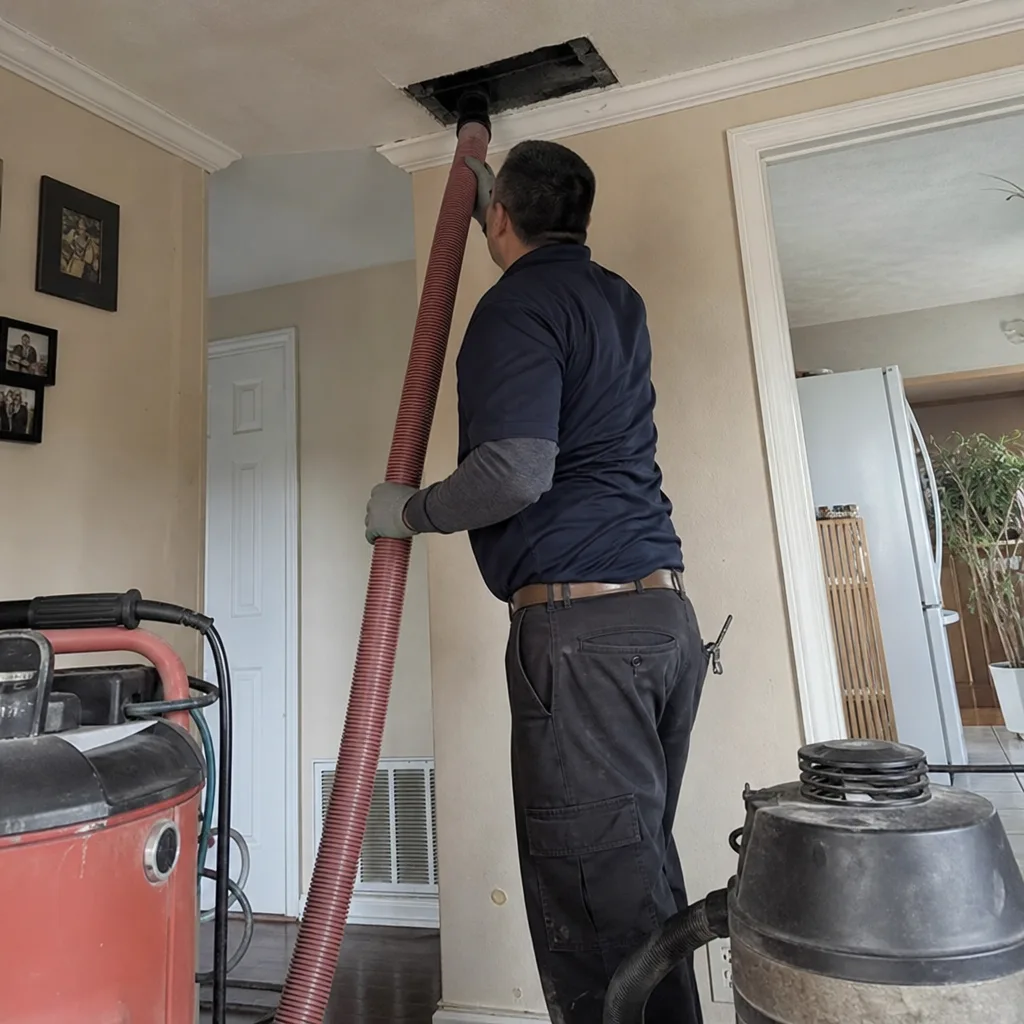 Before
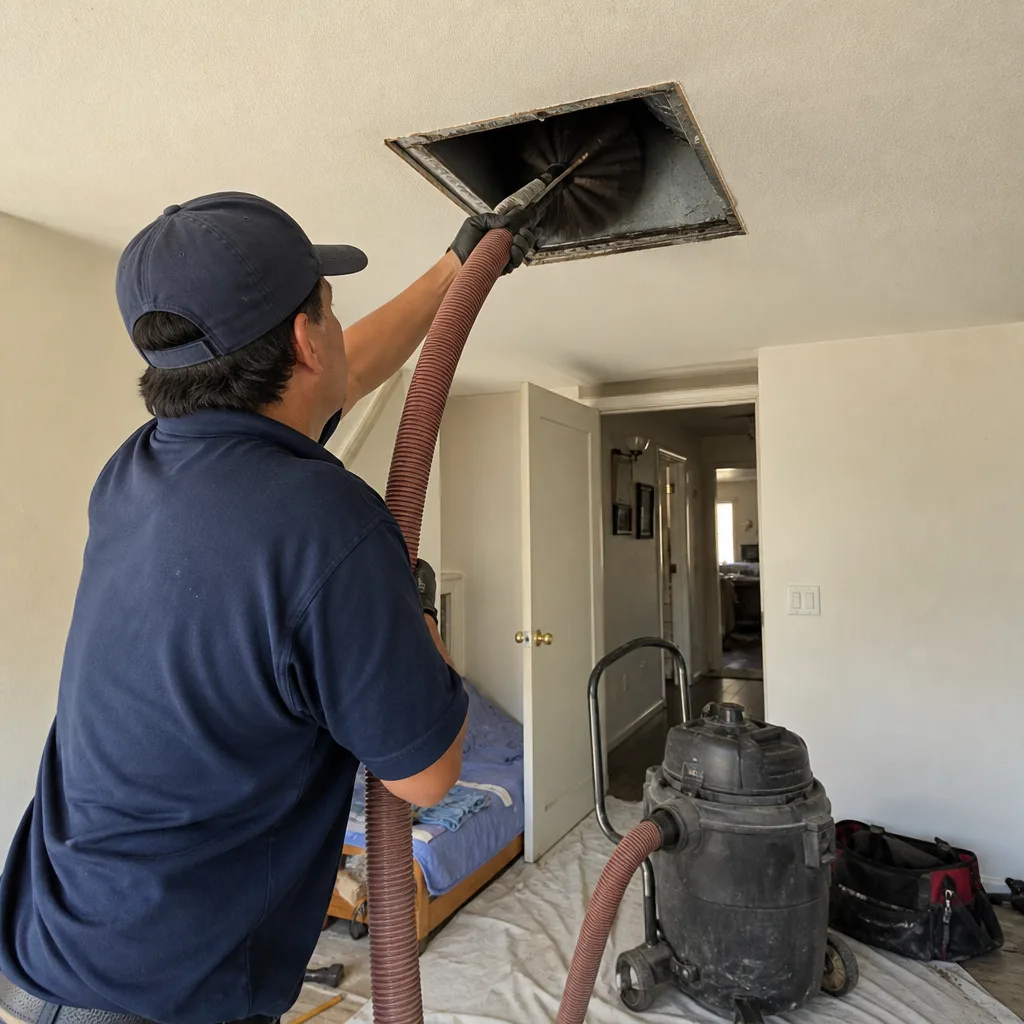 After
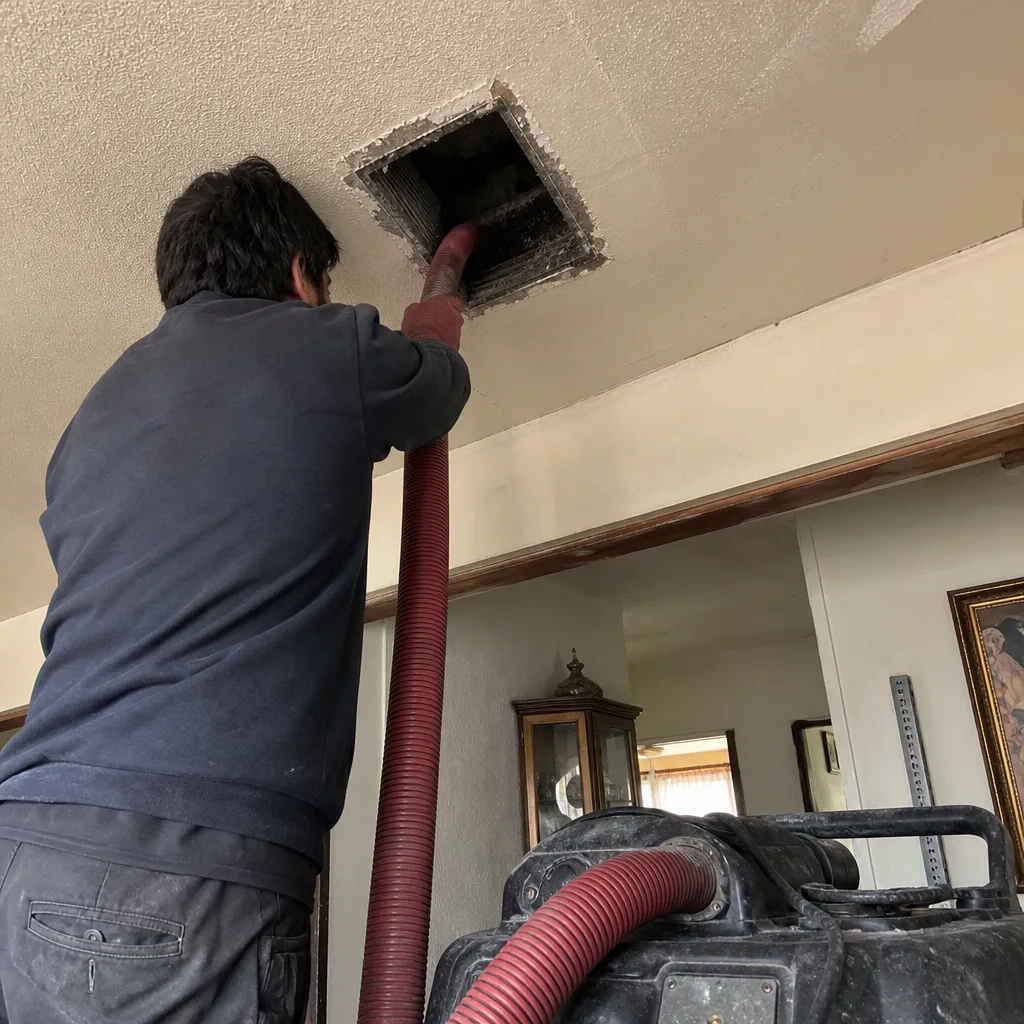 Before
 After
 Before
 After