
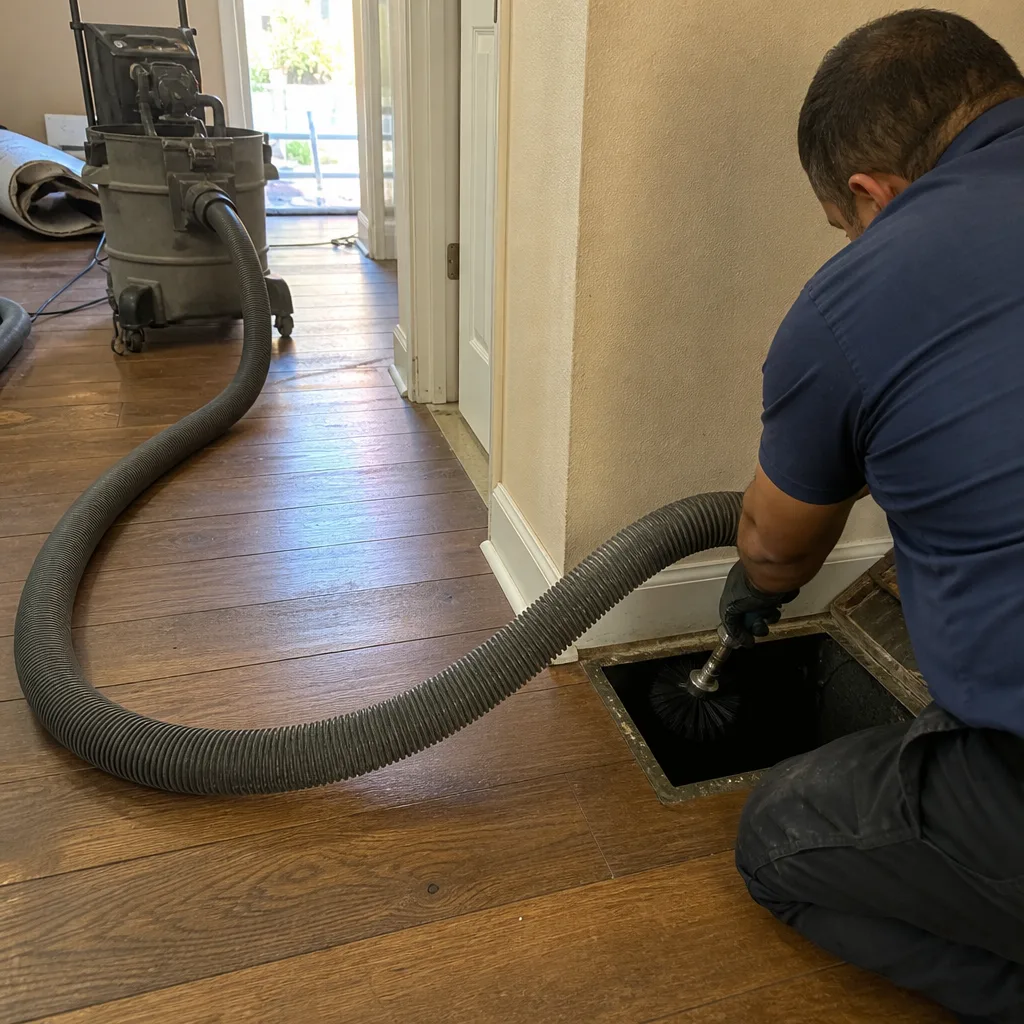
Last updated November 2, 2026
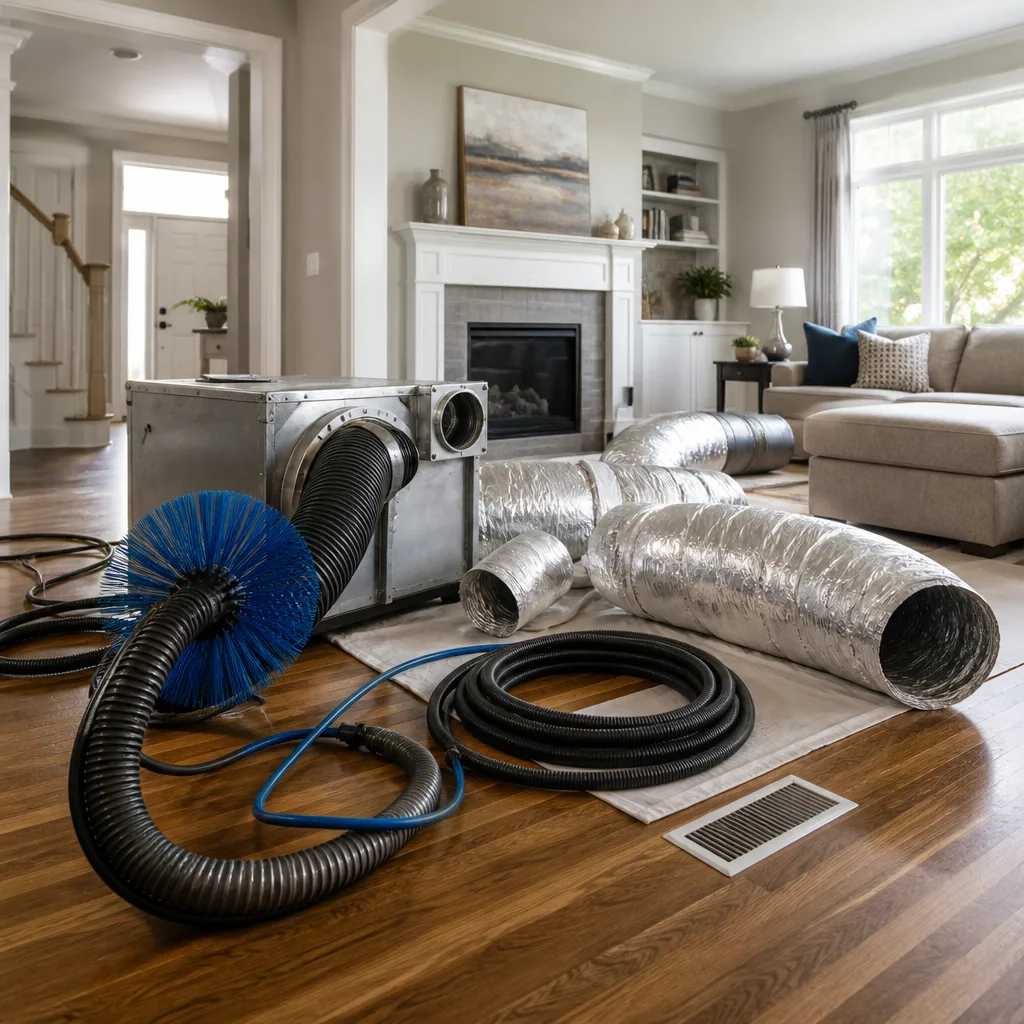 Whole-home duct cleaning
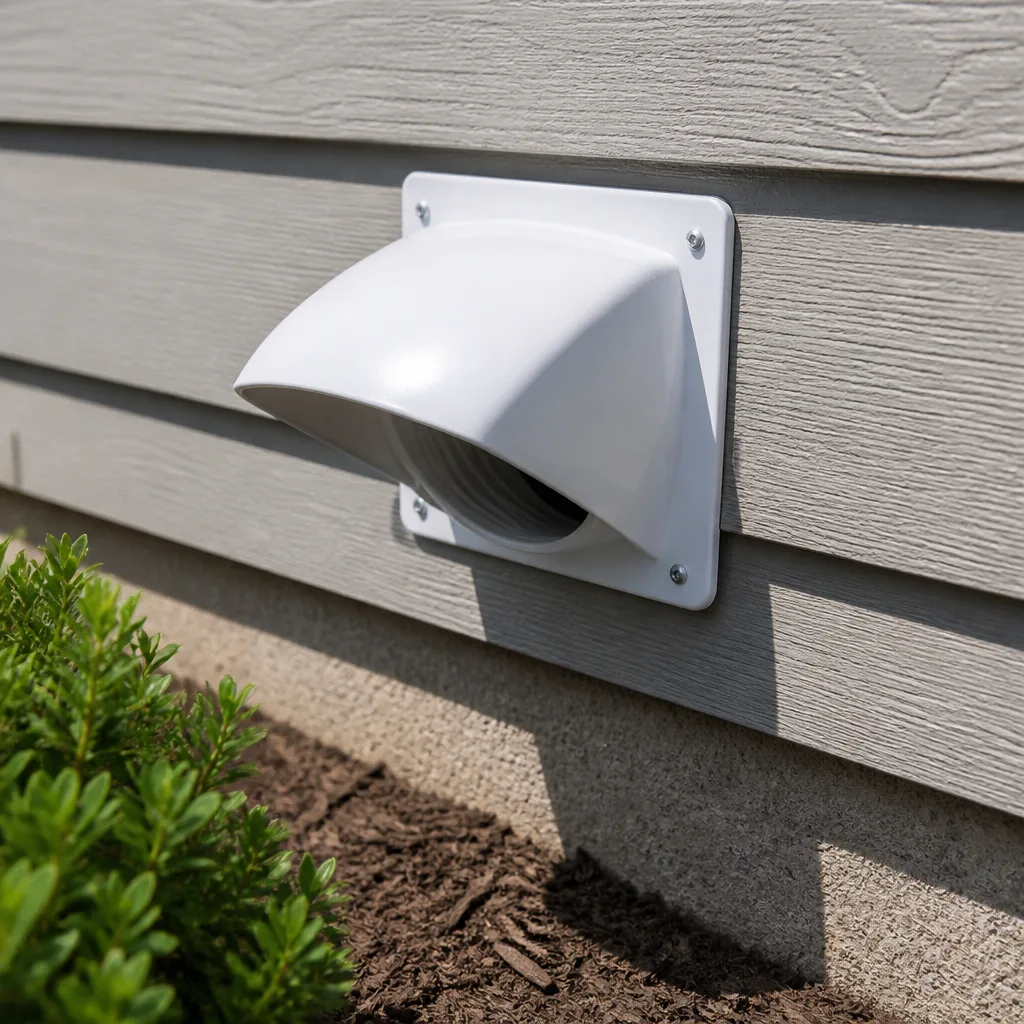 Dryer vent cleaning
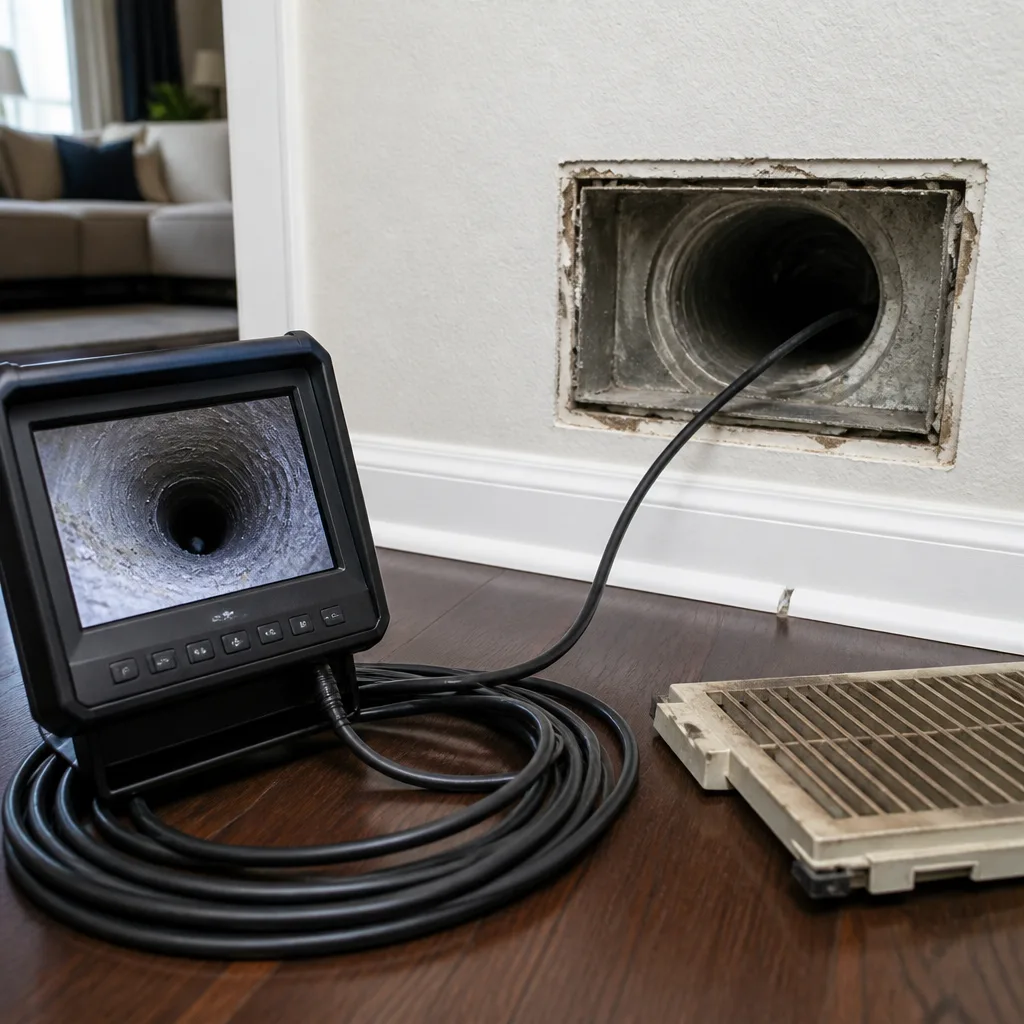 Camera inspection
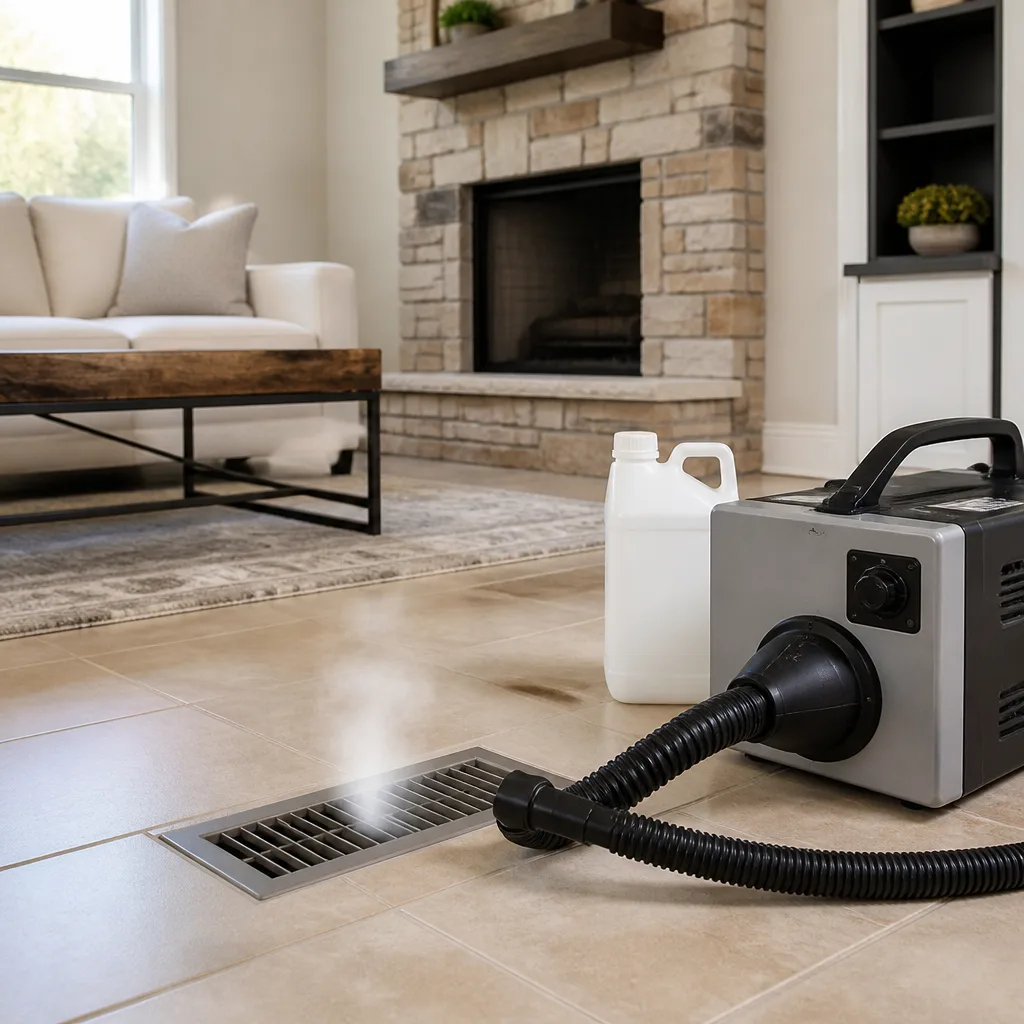 Sanitizing & deodorizing
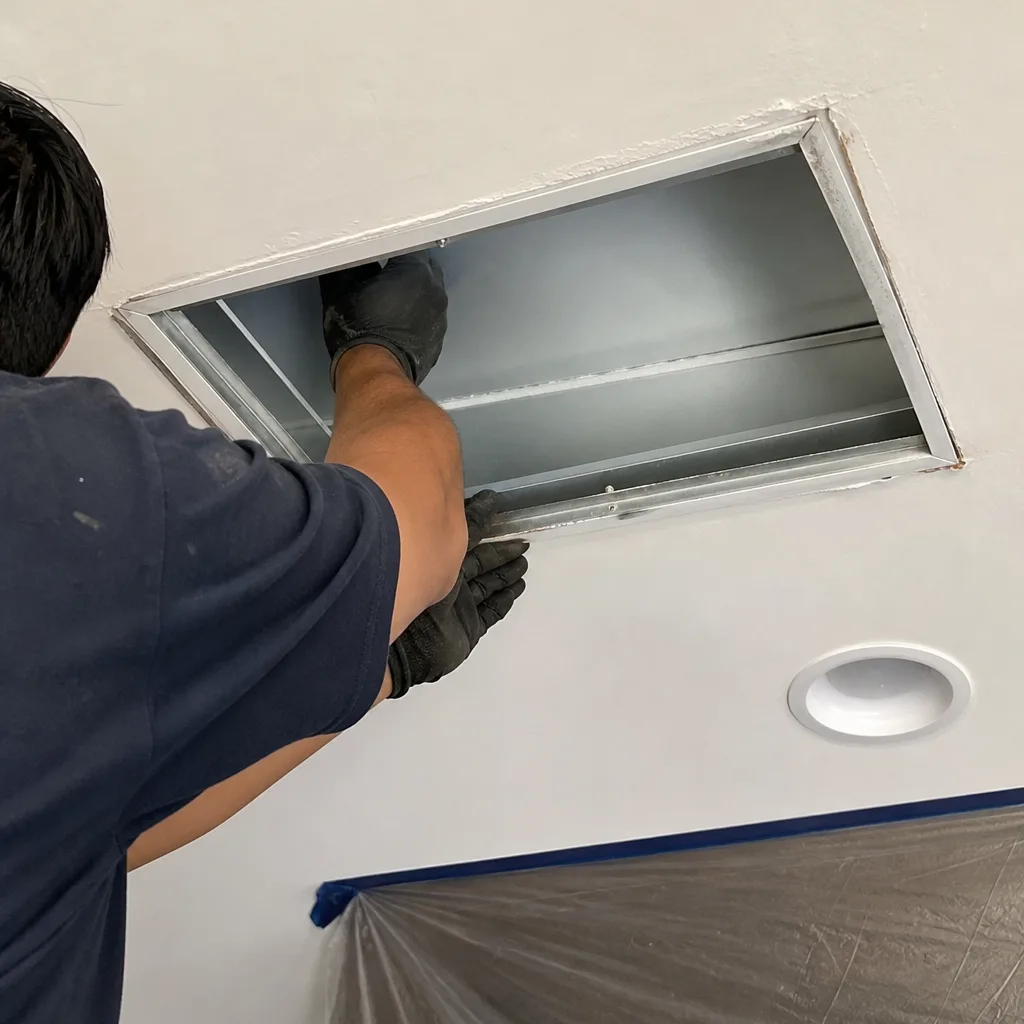
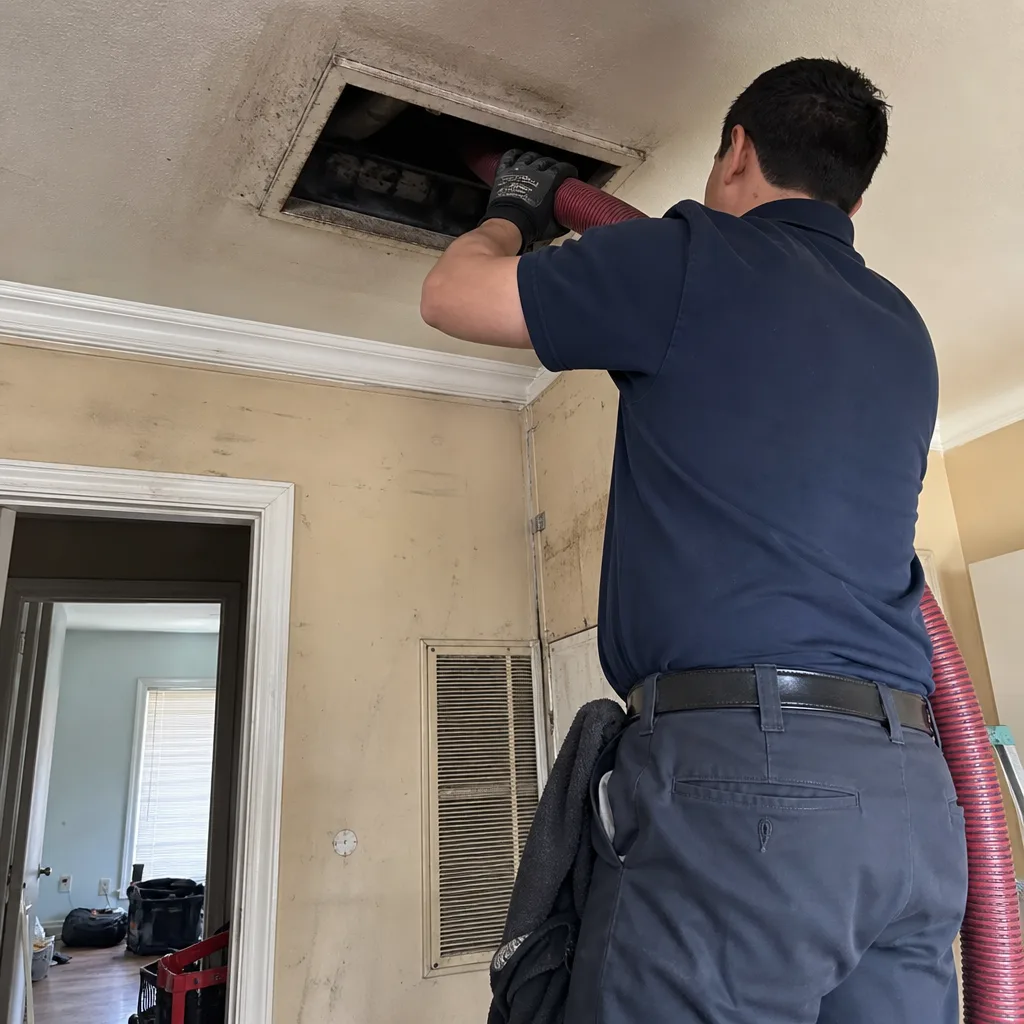
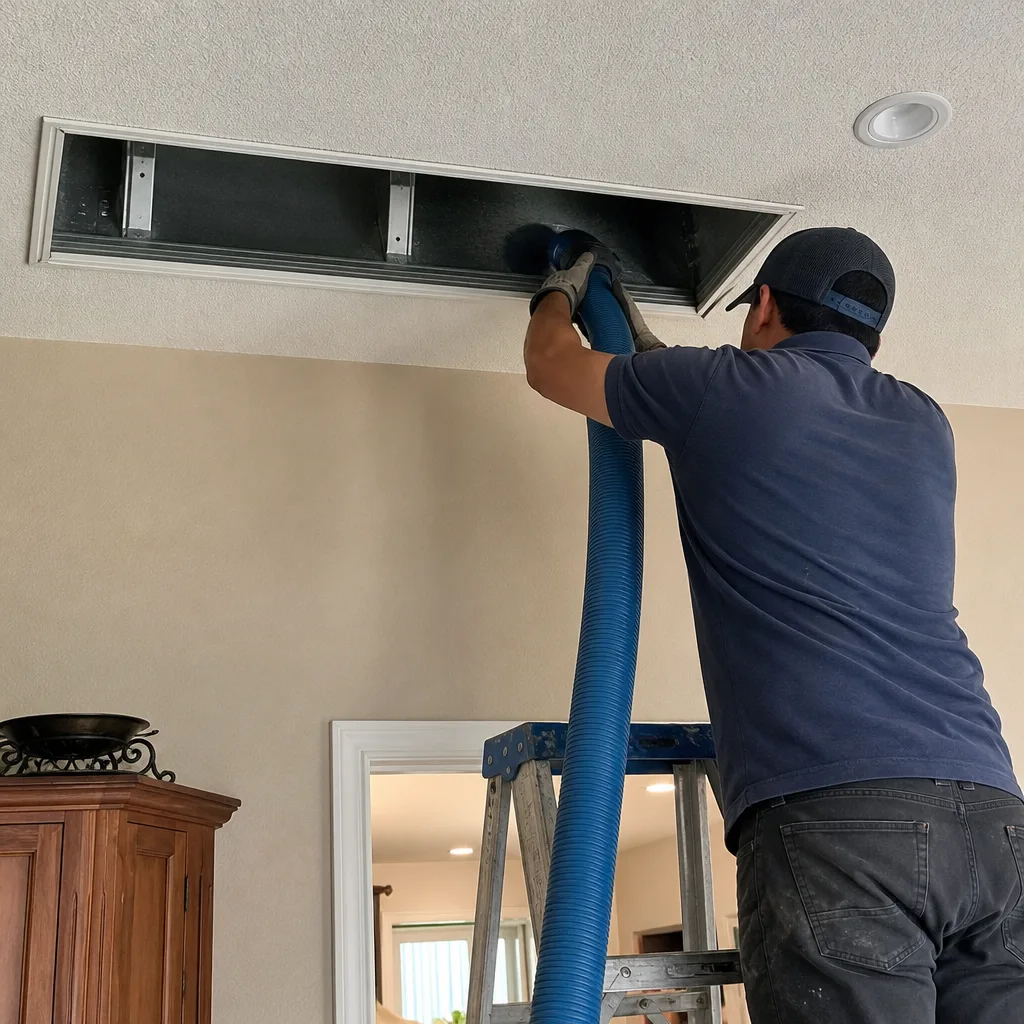
Whole-system duct and dryer vent check with before-and-after photos - you see exactly what came out of your vents
That "$99 whole-house special" is a bait ad - the real number appears once they are in your hallway, or the "clean" is a shop-vac at the register. We photograph the inside of your ducts before and after instead.
Air Duct Cleaning Troubleshooting: Common Problems and How to Fix Them
If your house still smells musty two weeks after a duct cleaning, the ducts probably weren’t the source, or they weren’t actually cleaned. Either answer points to a different fix, and conflating them costs homeowners real money on repeat services that don’t work. In El Monte, where summer heat pushes HVAC systems to run almost continuously from June through October, duct problems surface fast: dust on furniture days after cleaning, stale odors that won’t quit, bedrooms that never reach the same temperature as the living room. This guide separates cleaning problems from mechanical problems, because treating one like the other is exactly how people end up paying twice for the same unresolved complaint. For more guides & resources, see our blog. You’ll learn how to diagnose what’s actually wrong, what a legitimate cleaning should have accomplished, and when the fix is repair rather than another pass with a vacuum hose.
Quick Answer
Most post-cleaning complaints fall into two buckets: the cleaning was done with inadequate equipment and failed to dislodge or capture the debris, or the symptom was never coming from the ducts at all. Persistent odors usually trace to the evaporator coil, drain pan, or a disconnected duct pulling attic air. Dust returning within weeks means either the return side was never properly cleaned or there’s a breach in the system downstream of the filter. Reduced airflow after a service call often points to disturbed debris that has compacted in a branch line, or to a collapsed flex duct that no cleaning will ever fix. The solution is diagnostic: identify the source before paying for another service.
Styles & brands we work with
- Whole-home duct cleaning
- Dryer vent cleaning
- Camera inspection
- Sanitizing & deodorizing
Table of Contents
- Persistent Odor After Duct Cleaning: Why It Happens and What Actually Fixes It
- Dust Returning Within Days or Weeks: Signs the Cleaning Didn’t Take
- Reduced Airflow or Uneven Room Temperatures After a Service Call
- Allergy Symptoms Persisting After Duct Cleaning: The Coil and Filter Factors
- Dryer Vent Blockage Mimicking Duct Problems: The Humidity Variable
- When Duct Repair Is the Real Fix, Not Another Cleaning
- How Equipment Quality Determines Whether a Cleaning Holds Up
- What a Legitimate Duct Cleaning Should Accomplish: An Inspection Checklist
Persistent Odor After Duct Cleaning: Why It Happens and What Actually Fixes It
We see this call regularly in El Monte: a homeowner paid for duct cleaning, and two or three weeks later the same musty smell is back. The first question isn’t “what did they miss” but “was the odor ever coming from the duct walls at all,” as covered in our Air Duct Cleaning Warning Signs: A El Monte Homeowner’s Reference Guide. Musty smells are almost always biological: mold or bacteria growing on a damp surface. Duct surfaces are galvanized metal. They get dusty, but they don’t hold moisture the way a dirty evaporator coil or a clogged drain pan does. An air conditioner produces gallons of condensate every day, and in El Monte’s June-to-September heat, that moisture sits in a dark, warm cabinet with a fan pulling air across it. That’s where smells breed.
Here’s the diagnostic sequence we walk through:
- Confirm the smell is tied to the system, not the house. Turn off the HVAC blower completely. After 30 minutes, walk the rooms. If the odor fades, the system is involved. If it’s unchanged, look at carpet, drywall, and windows instead.
- Smell the supply registers while the blower runs. A smell that’s strongest at the vents points to whatever the air passes over before it reaches the room: coil, blower wheel, insulation, or duct liner. A smell that hangs in the house but doesn’t intensify at the register points to a return-side issue or an external moisture source.
- Check the evaporator coil. This is the most common source of post-cleaning odors. If the coil was dirty before the cleaning and nobody cleaned it, the ducts got spotless but the air is still passing over a wet, fouled surface. The smell returns because the source was never addressed.
We’ve also seen cases where a previous cleaning left moisture in the ducts themselves. Some low-end processes introduce water into the system, and if the blower isn’t run long enough afterward, that moisture sits in the ductwork. In El Monte’s dry climate it usually evaporates, but in the weeks before it does, it can activate years of accumulated dust into a genuine odor problem. The fix isn’t another cleaning. It’s running the system continuously for 48 to 72 hours and confirming the coil and drain pan are clean.
Dust Returning Within Days or Weeks: Signs the Cleaning Didn’t Take
A duct cleaning that works should give you a measurable reduction in household dust. Not a permanent one (dust comes from many sources, including you), but a real one. If you’re seeing the same dust load on shelves and window sills within two weeks, something in the cleaning failed. The most common culprit is the return side being ignored or under-serviced. The return ducts pull air from your rooms back to the air handler. They’re the first half of the loop, and they’re often as dirty as anything else. Dust blasting off the return side will land on your furniture within days, because that’s exactly what the air is carrying on its way back to you.
Another sign of a failed cleaning is debris that’s been knocked loose but never captured. The point of a professional setup is negative pressure: extraction equipment strong enough to pull dislodged debris out of the system while brush or air tools agitate the duct walls. Cheap equipment agitates without adequate extraction. The result is dust that was stuck to the duct walls now loose in the system, waiting to be blown into your house the next time the fan kicks on. Homeowners who’ve had this happen often report that dust levels actually got worse after the service.
Here’s what to look for:
- Visible dust on register covers within days. That’s disturbed debris still in the supply side, being pushed out room by room.
- Gray film on the return grille a week later. The return side wasn’t cleaned to the point of removing the accumulation that was already there.
- Debris coating the blower cabinet. If you can access the blower compartment, a fine dust layer there indicates material was moving through the system after the cleaning wrapped.
The fix is a re-clean with equipment that can hold negative pressure on the entire system. If the previous company couldn’t show you the debris they removed, or if the process seemed quick and quiet, the extraction side probably wasn’t adequate to the job. In our experience, Air Duct Cleaning in El Monte homes with older systems often requires the extraction to run continuously while each branch line is worked, not just a single pass at the main trunk.
Reduced Airflow or Uneven Room Temperatures After a Service Call
Sometimes a duct cleaning reveals a problem that was already there but wasn’t obvious before. Weak airflow to a bedroom, or a room that’s always five degrees off, can become glaringly apparent once the rest of the system is clean and moving air properly. But there are also cases where the cleaning itself creates the restriction. Debris that was loosely adhered to a duct wall can break free and compact downstream, especially at turns, splitters, and the inner sleeve of insulated flex duct.
The diagnostic path here is methodical:
- Map the problem. Which rooms are affected? Is it one room or the whole floor? A single room points to a branch duct issue. Widespread weakness points to a main trunk or air handler issue.
- Check the filter. A cleaning stirs up fine particulate. If the system has a high-MERV filter, especially after a cleaning, it can clog quickly and choke the whole system. Replace it and check airflow again.
- Check the return path. If return ducts or grilles were covered, closed, or blocked during the cleaning and never restored, the system starves for air. Weak supply airflow with normal room temperatures often traces back to low return volume.
- Inspect accessible flex duct. Flex duct that’s kinked, crushed, or disconnected will strangle airflow. This is a repair issue, not a cleaning issue.
We’ve seen collapsed duct liner in older El Monte homes where rigid ductboard has been in place since the 1970s and 80s. The inner liner can delaminate over time and flap inward, cutting airflow dramatically. No amount of cleaning fixes that. The section needs replacement, which is exactly the kind of problem that separates a company that only cleans from one that also does air duct repair in El Monte.
Allergy Symptoms Persisting After Duct Cleaning: The Coil and Filter Factors
A clean duct system delivers air to your rooms. It doesn’t necessarily deliver clean air. If you’re still waking up congested after a legitimate duct cleaning, the next places to look are the evaporator coil, the filter setup, and the quality of the cleaning that was actually done. Allergens like pollen, pet dander, and dust mite byproduct circulate through the system continuously. They settle in the coil, the blower wheel, the filter media, and the return plenum. If those components weren’t cleaned, the air passing over them re-picks-up particles every single cycle.
The coil deserves particular attention. It sits directly in the airstream, it’s wet for much of the cooling season, and it catches everything the filter doesn’t. In El Monte’s warm, dry climate, fine desert dust and pollen load the coil quickly. A thick layer of damp debris on the coil surface is both an allergy source and a mold risk. If the duct cleaning didn’t include coil access and cleaning, the system is still circulating whatever the coil was carrying.
Filter selection matters too. A high-MERV filter (MERV 11 or higher) does a genuinely better job trapping allergens than a basic fiberglass mesh, but it also increases static pressure. Systems with undersized returns or already-marginal airflow will strain against a dense filter, reducing total air delivery. The right answer for an allergy-prone El Monte household is usually a balanced setup: a clean coil, clean ducts, and a filter that fits both the allergy need and the system’s airflow capacity. Some homeowners pair this with a whole-home media cabinet compatible with Honeywell or Aprilaire filtration systems, which lets the filter do more work without strangling airflow.
One more variable worth checking: whether the cleaning actually reached the full system. If the previous service only worked the supply trunk and ignored the branch lines, a significant portion of the duct surface area was never touched. The cleaning looks complete on the invoice but only addressed a fraction of the system.
Dryer Vent Blockage Mimicking Duct Problems: The Humidity Variable
Not every duct-related symptom comes from the HVAC system. A clogged dryer vent pushes warm, lint-laden air into the laundry room or the wall cavity instead of outside. That raises indoor humidity, which makes the house feel stuffy and stale. It also forces the dryer to work harder and hotter, which accelerates lint buildup and increases fire risk. The U.S. Fire Administration reports that dryers are involved in thousands of home fires annually, and the leading cause is failure to clean the vent.
The connection to your HVAC complaints is subtle but real. Elevated indoor humidity makes a room feel warmer than it is, so you turn down the thermostat. The system runs longer, moving more air, and that air carries whatever humidity and particulate are present. A house that feels musty or heavy after duct cleaning can sometimes be fixed by cleaning the dryer vent, not re-cleaning the ducts. The two systems share a laundry room, share wall cavities, and share the burden of indoor air quality.
In El Monte, where many homes have interior laundry rooms with short vent runs, we see two common failure modes. The first is a vent that terminates in an inaccessible area and never gets cleaned. The second is a vent that uses flexible white vinyl or foil, which traps lint at every bend and is no longer permitted by current building code. When we do a full duct health evaluation, we check the dryer vent because a blocked dryer vent is a real fire hazard and a hidden driver of indoor air complaints. It’s not an add-on. It’s part of diagnosing why the house doesn’t feel right.
When Duct Repair Is the Real Fix, Not Another Cleaning
Some duct problems can’t be cleaned away. Cleaning removes debris from a functional system. Repair restores a system that’s physically broken. Knowing which one you have is the difference between paying for another service that won’t help and fixing the actual problem once. Disconnected flex duct, crushed pipes, separated joints, and tears in the duct wall all let unconditioned air into the system and conditioned air out. No amount of agitation or extraction changes that.
Here are the situations we see most often that call for repair rather than re-cleaning:
- Disconnected flex duct in an attic or crawlspace. Heat, age, and rough storage work pull flex duct off its collar. The room it serves gets almost no airflow, and the system pulls attic air directly into the house. That attic air is what you’re smelling.
- Crushed or kinked flex duct. A duct that’s been bent sharply or had something set on it restricts airflow permanently. Cleaning it changes nothing.
- Torn or punctured duct skin. A rip lets partially cleaned air escape before it reaches your rooms, and lets whatever is in the wall cavity get pulled in during return cycles.
- Collapsed internal liner in rigid ductboard. Common in older homes. The inner liner separates and sags, and the only fix is section replacement.
- Leaking joints on metal ducts. Slide-together joints can loosen over decades. Taping or sealing them restores pressure and airflow.
In El Monte, where many homes date from the 1950s through the 1980s, duct deterioration is common. The good news is that repair on a broken section costs less than repeated cleanings of a system that will never perform. When we find a disconnection during a cleaning, we flag it and quote the repair as a separate, specific line item. We don’t clean around a broken system and pretend the problem is solved. The air duct cleaning gets the system clean, and the repair makes it stay clean by keeping outside air and fresh debris from re-entering.
How Equipment Quality Determines Whether a Cleaning Holds Up
The difference between a duct cleaning that lasts three years and one that fails in three months often comes down to the equipment used, as detailed in our Choosing the Right Air Duct Cleaning Brand: A Buyer’s Guide for El Monte. A shop-vac and a rotating brush attachment cannot generate the negative pressure needed to pull debris out of a 200-foot duct system. They agitate the duct walls, yes. But without adequate extraction, they simply move dust around. The debris settles back onto the duct surfaces, and the customer pays for a service that undid itself.
Professional duct cleaning is a two-stage process. Stage one is agitation: mechanically breaking the debris loose from the duct walls. Stage two is extraction: pulling that loosened debris out of the system under negative pressure so it doesn’t re-deposit. The best commercial systems separate these functions and maximize both. Rotobrush systems use rotating brushes to scrub the duct walls, paired with vacuum extraction at the point of contact. Nikro industrial vacuum units provide high-volume negative pressure at the main trunk, pulling loose debris toward the collection point while branch lines are worked.
Running both platforms means the right tool gets used for each job condition. A residential flex-duct system with light dust responds differently than a rigid metal trunk with 40 years of accumulation. Having Nikro extraction available changes what’s possible on the extraction side, and having Rotobrush agitation changes how effectively debris gets dislodged from the walls. The equipment also shows up in the results: a system cleaned under true negative pressure leaves visible before-and-after photos, and the debris you can see in the collection chamber is debris that is no longer in your ducts.
For households with more serious contamination concerns, Abatement Technologies air filtration units are designed for environments where particulate control matters beyond routine dust: post-construction dust, heavy allergen loads, or spaces occupied by people with respiratory sensitivity. It’s the difference between running a hose and running an actual air-quality operation.
What a Legitimate Duct Cleaning Should Accomplish: An Inspection Checklist
If you’ve paid for a duct cleaning and you’re not sure whether it was done properly, here’s what a legitimate job should leave behind. Use this as a verification checklist:
- You should see the equipment in action. A professional truck-mounted or portable unit should be connected to your system, running during the cleaning. If the crew shows up with a handheld vacuum and a drill, the job was not done to professional standard.
- Access points should be cut and sealed. Cleaning a duct system properly usually requires access into the trunk line. Those openings should be patched, capped, and sealed before the crew leaves. If no access was made, the system was likely not cleaned end to end.
- Every register should be worked. Not just the ones that are easy to reach. Each branch line should be agitated and extracted. If a crew spends 20 minutes on the trunk and skips the branch runs, most of the system is untouched.
- You should see the debris. A legitimate cleaning removes material from the system. That material ends up in a collection bag or canister. If you never see any evidence of what was removed, ask.
- The return side should get equal treatment. The return ducts are half the loop. If they’re not cleaned, the supply side will be re-contaminated almost immediately.
In El Monte, where many houses were built as post-war bungalows with simple radial duct layouts, a proper cleaning is often more involved than it looks from the outside. The system may be small, but the buildup can be decades old. A real service takes hours, not minutes. If the previous cleaning felt fast, it probably was.
Common Mistakes to Avoid
- Re-cleaning before diagnosing. If the first cleaning didn’t resolve the complaint, running the same service again with no new information is a gamble. Diagnose the source first. A second cleaning is the right call only when the first was demonstrably inadequate.
- Assuming the ducts are the source of every smell. Musty odors in El Monte homes routinely trace to the evaporator coil, the drain pan, or an attic leak, not the ducts themselves. Cleaning the ducts again won’t touch those.
- Skipping the coil and blower during a cleaning. Dirty coils re-contaminate clean ducts within weeks. Any thorough duct service should include cleaning the coil and blower or at minimum inspecting them and reporting their condition.
- Ignoring the return side. The return ducts collect as much dust as the supply, and they’re the path that sends that dust into your rooms. Cleaning only the supply side is half a job.
- Using the wrong filter as a shortcut. A high-MERV filter is not a substitute for cleaning. If anything, a dense filter can clog faster after a cleaning as loosened particulate makes its way through the system.
- Ignoring dryer vent symptoms. Humidity and stale air in the laundry area can make the whole house feel off. The dryer vent is a separate system but a shared indoor air quality problem.
- Treating broken ductwork as a cleaning problem. Disconnected or collapsed ducts will never respond to another cleaning. Fix the mechanical problem and then maintain cleanliness.
See the difference
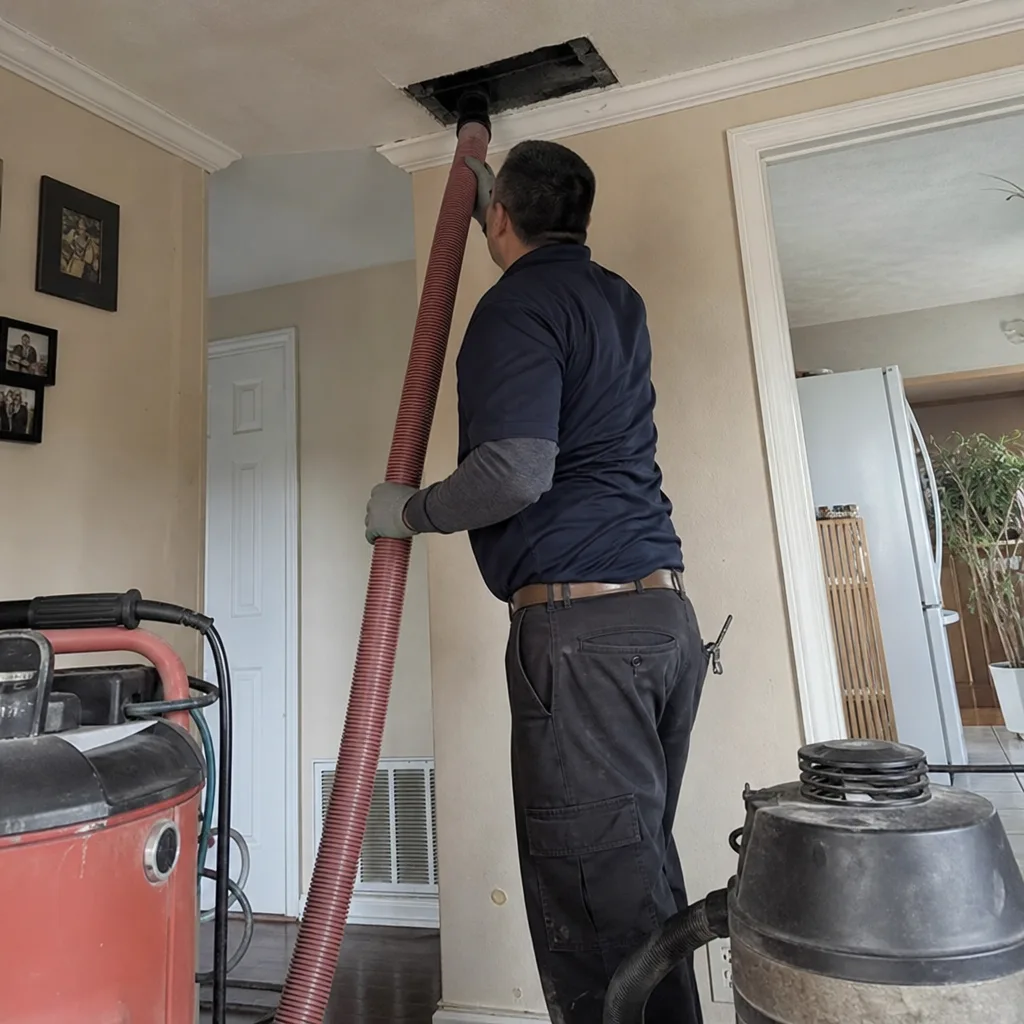 Before
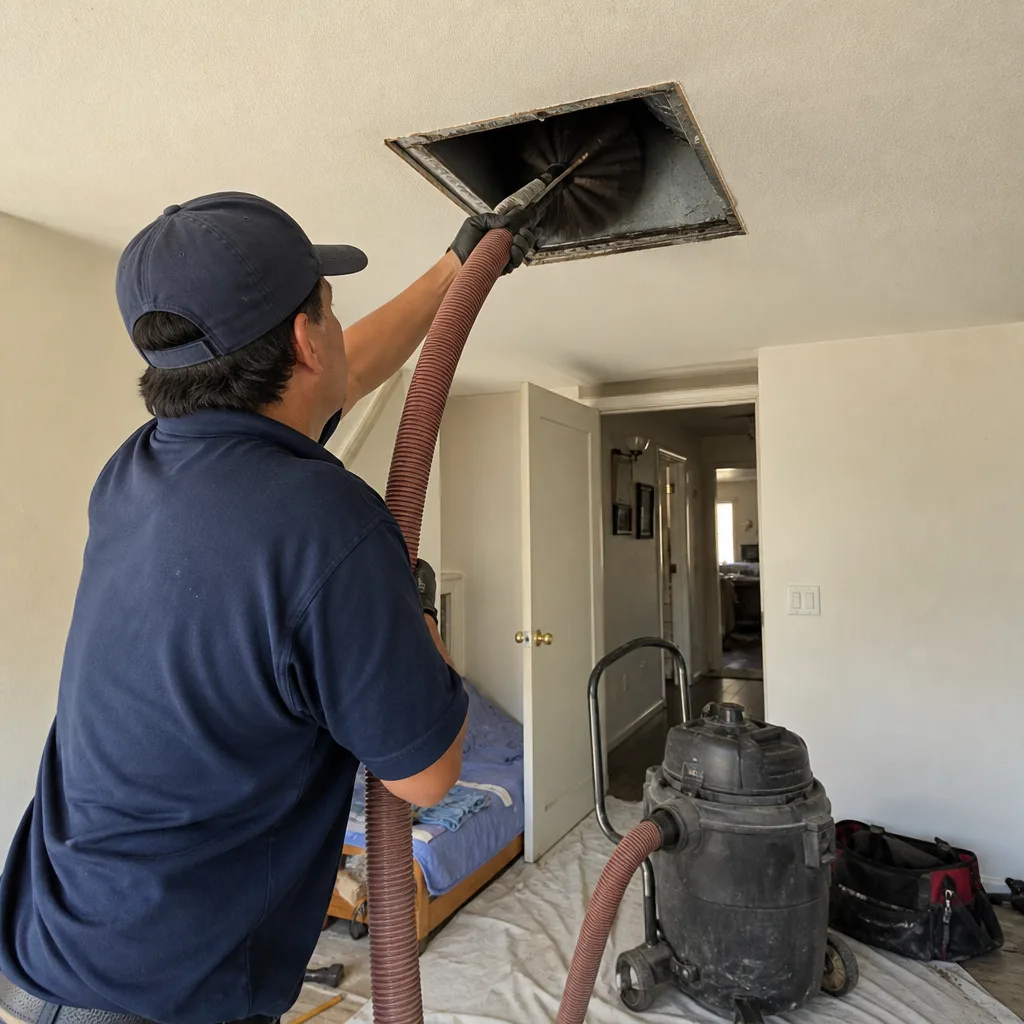 After
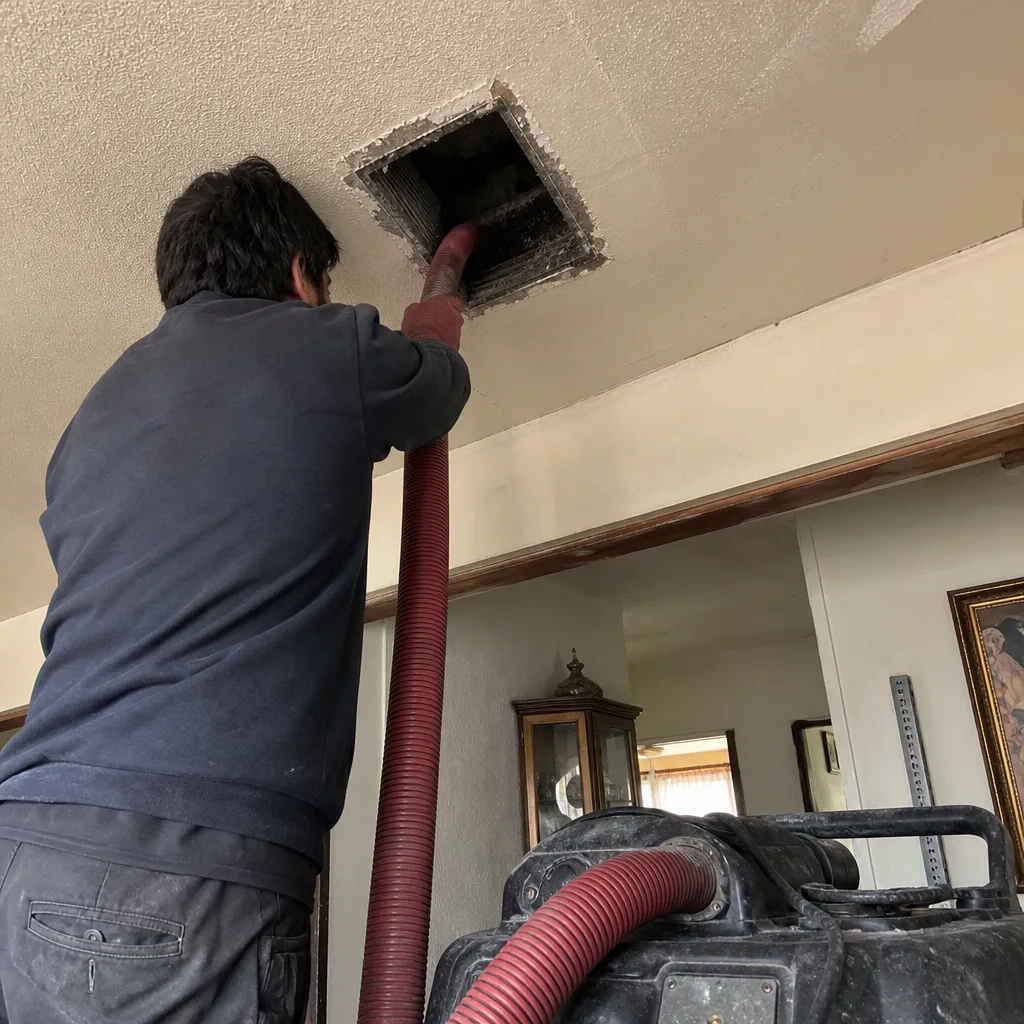 Before
 After
 Before
 After
When to Call a Professional
Call a professional when you’ve confirmed the problem is in the system but can’t see the source, when an odor persists after you’ve ruled out obvious moisture sources in the home, when airflow is materially different from one room to the next, when dust returns within days of a cleaning, or when you suspect the previous service wasn’t done with extraction-grade equipment. These are diagnostic situations, not just “schedule another cleaning” situations. A technician who can open the system, inspect the coil, check duct connections, and report what’s actually there is worth more than another pass with a rotating brush. Duct Cleaning El Monte offers free estimates in El Monte, and we show up with equipment that holds negative pressure on the system, not just a hose. Call (844) 573-0760 and we’ll diagnose before we recommend.
Frequently Asked Questions
Most persistent post-cleaning odors come from the evaporator coil, drain pan, or a disconnected duct pulling attic or crawlspace air, not from the duct walls themselves. If the coil wasn’t cleaned during the duct service, the air is still passing over a damp, contaminated surface and the smell returns quickly. Check the coil first, then inspect for disconnected duct sections before scheduling another cleaning. Call (844) 573-0760 for a diagnostic visit in El Monte.
Whole-home duct cleaning in El Monte typically ranges from $450 to $900 depending on system size, number of returns, and how much accumulation is present. Larger homes with multiple units or systems with extensive buildup run higher. Avoid any quote under $300 for a whole house, because at that price the service cannot cover the labor and equipment needed to clean a full system properly. Call (844) 573-0760 for a free estimate based on your specific system.
Cheap quotes often come from operators using portable vacuums without the negative pressure required to extract debris from the entire duct system, or from companies that clean only the supply trunk and skip branch lines, coils, and returns. The lower price reflects less work, less equipment, and less of your system actually being cleaned. When a bid is dramatically below market range, ask what equipment will be used and whether the return side and coil are included.
A legitimate cleaning leaves evidence: access points cut and sealed, debris in the collection canister, before-and-after photos of the duct interior, and registers that are visibly clean. If the crew finished in under an hour, made no access openings, and never showed you removed debris, the job likely didn’t reach the whole system. Ask for photos of the duct interior after cleaning.
Most homes benefit from duct cleaning every 3 to 5 years, but the interval depends on several factors: pets, smoking, recent construction or renovation, nearby agriculture or high-pollen loads, and whether anyone in the home has serious allergies. El Monte homes near busy roadways or with older HVAC systems often accumulate dust faster. A visual inspection of the registers and the return side is the best way to know whether the system is due.
Yes. A blocked dryer vent forces warm, humid air back into the home, raising indoor humidity and creating a stale, heavy feeling that can be mistaken for a duct system problem. The dryer also runs hotter and longer, accelerating lint accumulation inside the vent and increasing fire risk. Dryer vent cleaning should be treated as a separate, dedicated service with specific equipment, not an afterthought to an HVAC cleaning.
The Bottom Line
Most duct cleaning failures trace back to one of three causes: the cleaning didn’t reach the full system, the symptom was never coming from the ducts, or the system has a mechanical fault that no cleaning can fix. Diagnosing which one you’re dealing with is the entire job. Persistent odors point to the coil or a breach. Returning dust points to the return side or inadequate extraction. Weak airflow points to compressed debris or broken ductwork. The right fix is the one that addresses the source, and the right company is one that can tell the difference. For duct work in El Monte that’s actually done to professional standard, start with a real inspection. Duct Cleaning El Monte offers free estimates, and the call is (844) 573-0760.
Written by the team at Duct Cleaning El Monte, serving El Monte since 2013.